| 姜谷粉丝 | 2026-06-04 09:43 |
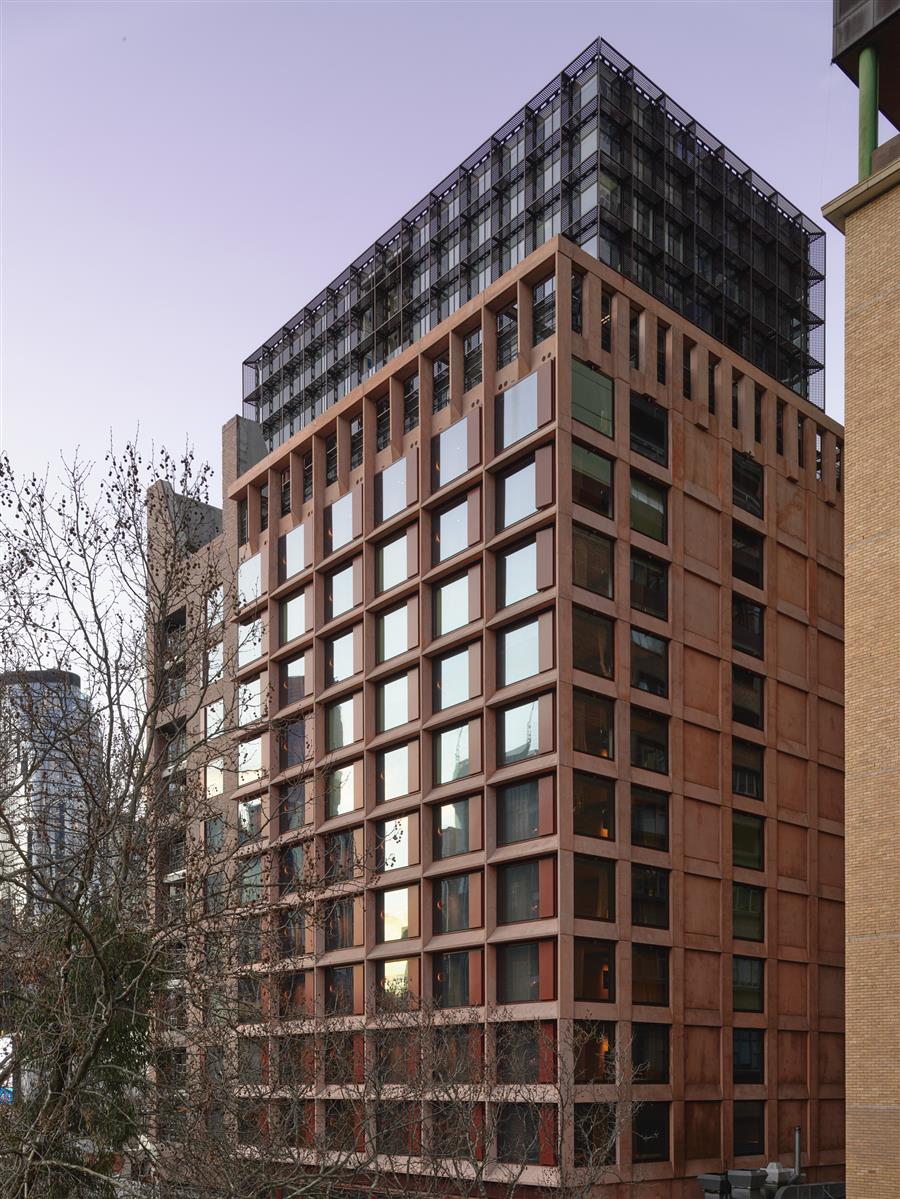
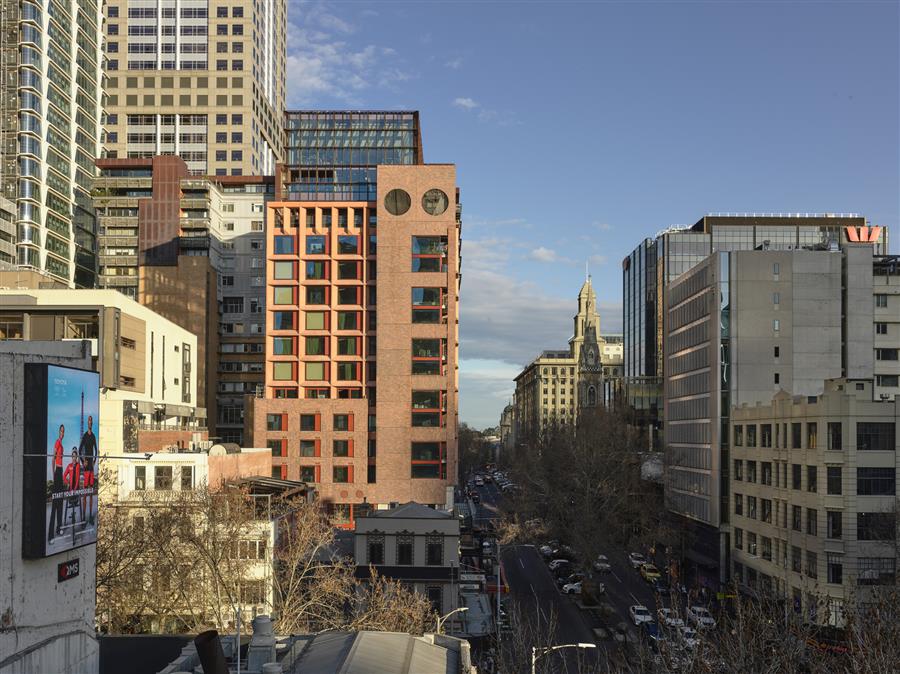 墨尔本广场是一家全新的独立酒店,拥有“完整的设计”;这是一座内部完全整合的新建筑,由一个团队完成。我们的工作包括与客户Josh Taylor、品牌代理Studio Round和酒店总经理Tracy Atherton合作开发酒店品牌。建筑设计、室内设计和酒店品牌从一开始就相互通知,使这个酒店的身份体现在物理对象的每一个部分。围绕空间、体量、光线、色彩、纹理和细节的敏感性从城市规模到橱柜硬件都是一致的,提供了一种物质感,一种完整的视觉,每个元素都加强和放大了这个地方的独特特征。 Melbourne Place is a new independent hotel accommodated in a "complete design"; a new building with fully integrated interiors, carried out by a single team. Our work included collaborating on the development of the hotel brand in conjunction with Client Josh Taylor, brand agency Studio Round, and Hotel Managing Director Tracy Atherton. The design of the building, the interiors, and the hotel brand have informed each other from the very beginning, such that the identity of this hotel is expressed in every part of the physical object. Sensibilities around space, volume, light, colour, texture, and detail are consistent from the urban scale down to the cabinet hardware, lending a sense of substance, a complete vision, each element reinforcing and amplifying the unique character of the place. 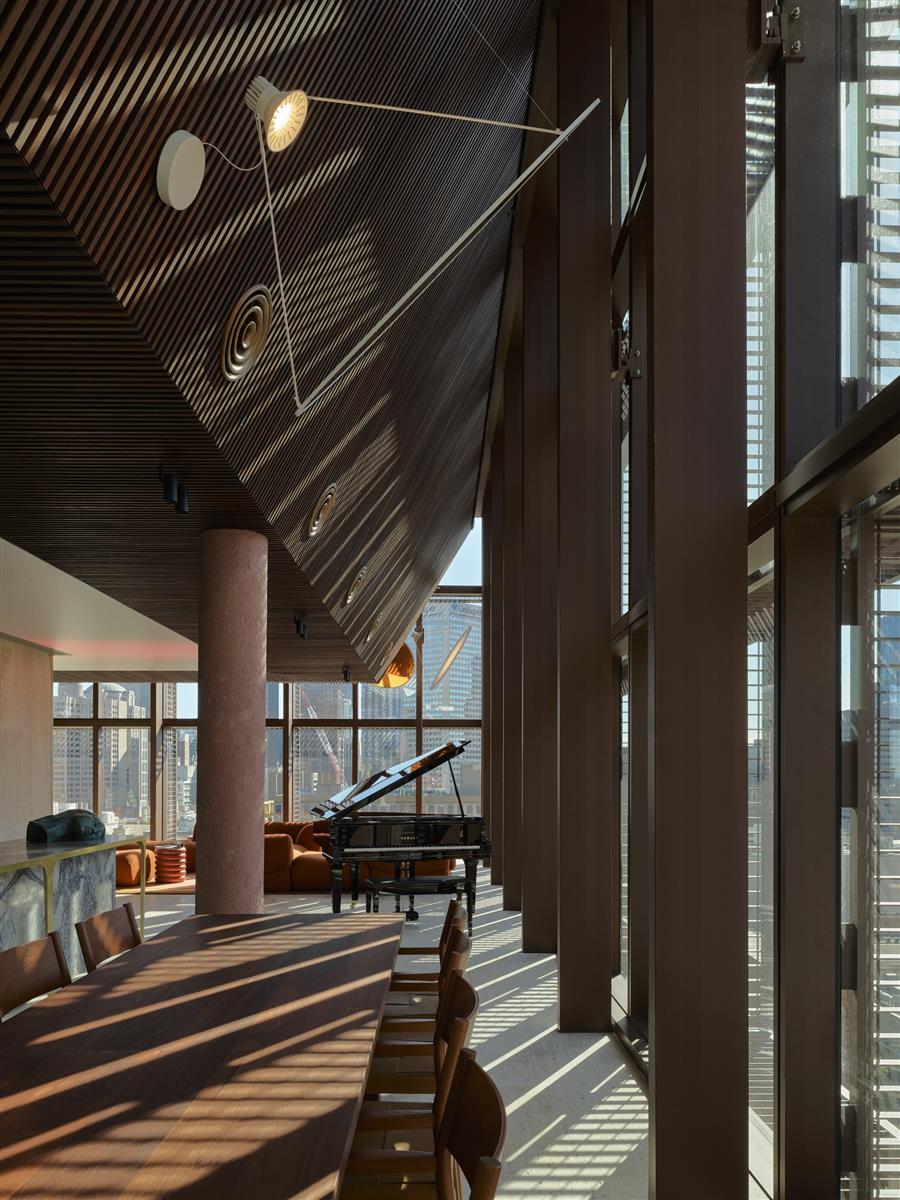 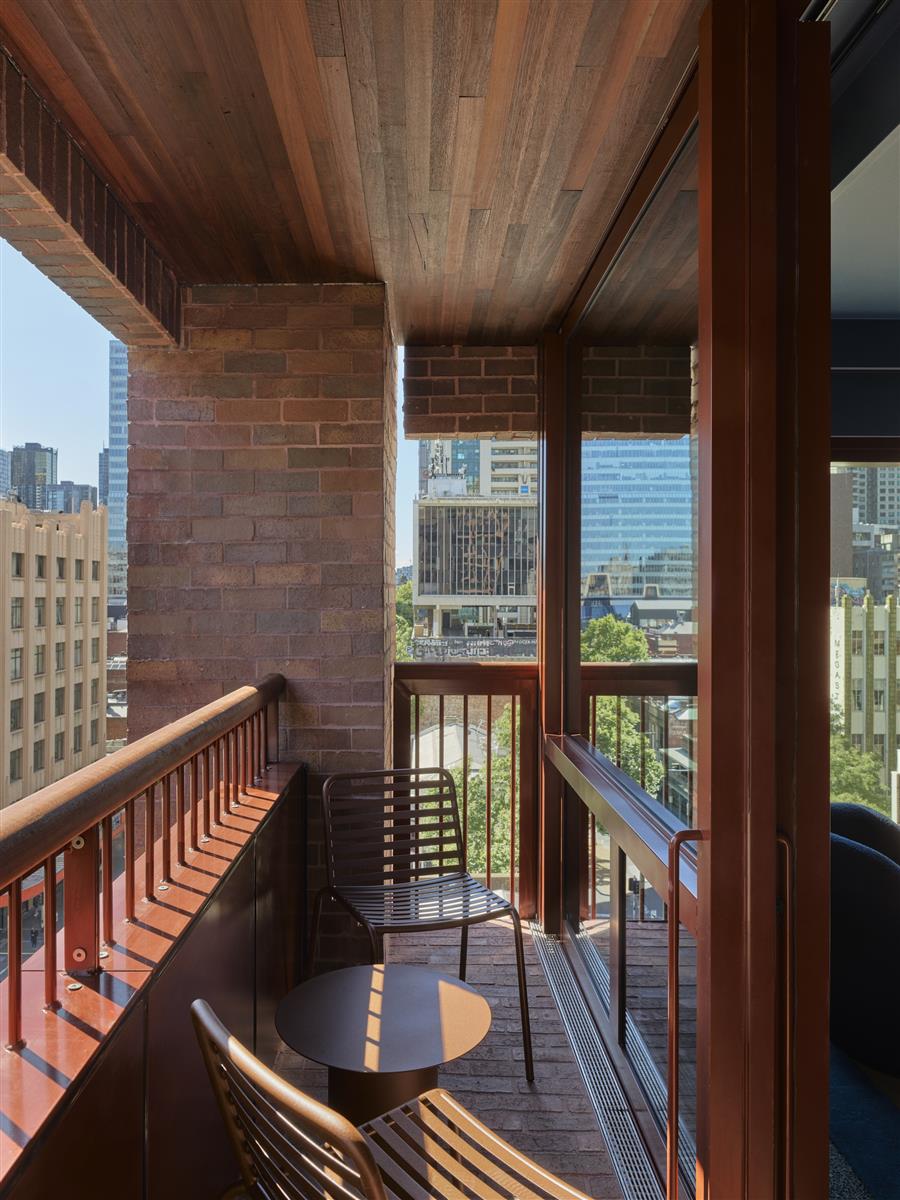 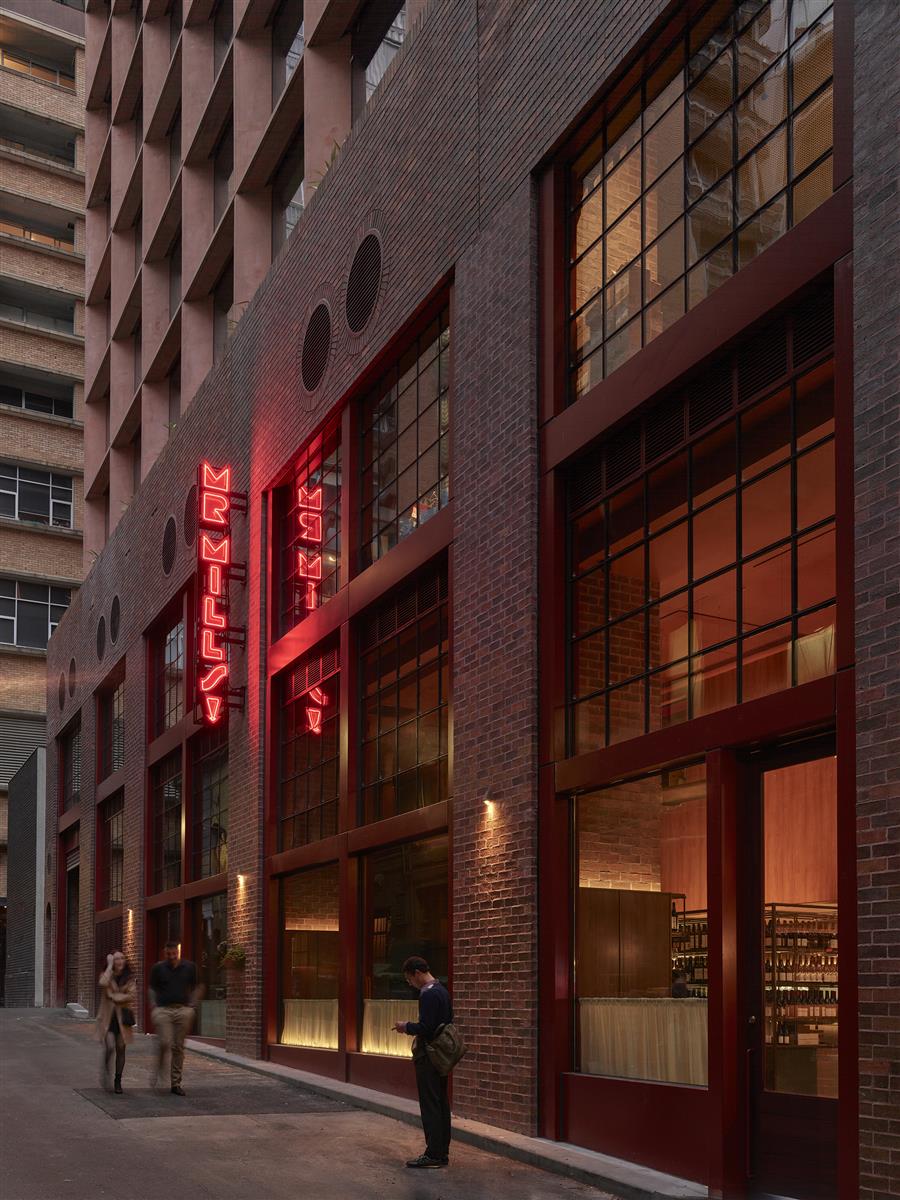 该建筑的设计总体上源于墨尔本特殊的建筑和文化特征,但更具体地说,是源于CBD东端的实际场地。体量和细节都具有20世纪的品质,通过高度建模的彩色混凝土和砖立面以及每间客房的可操作百叶窗来加强。这个建筑表达旨在将墨尔本广场置于附近一些重要建筑的受人尊敬的家族中,这些建筑包括T&G大楼、卡文迪什大厦和隔壁的老罗素街电话交换机Hero。 The design of the building derives from the particular architectural and cultural identity of Melbourne generally, but more specifically, the actual site in the east end of the CBD. The mass and detail have a twentieth-century quality, reinforced by the highly modelled tinted concrete and brick façade and the operable shutters to every guest room. This architectural expression aims to position Melbourne Place amongst an esteemed lineage of some significant nearby buildings – The T&G building, Cavendish House, and right next door, Hero, the old Russell St telephone exchange. 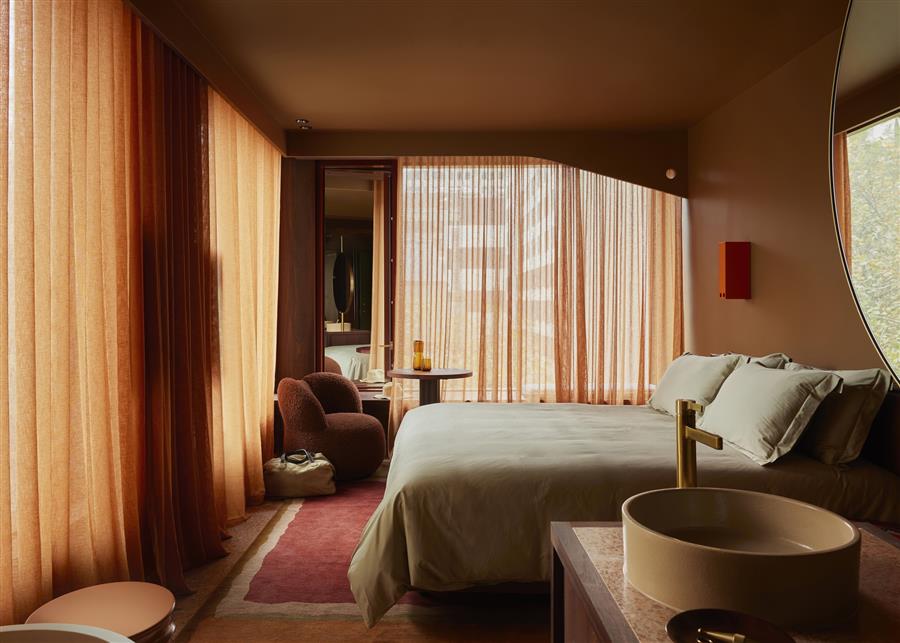 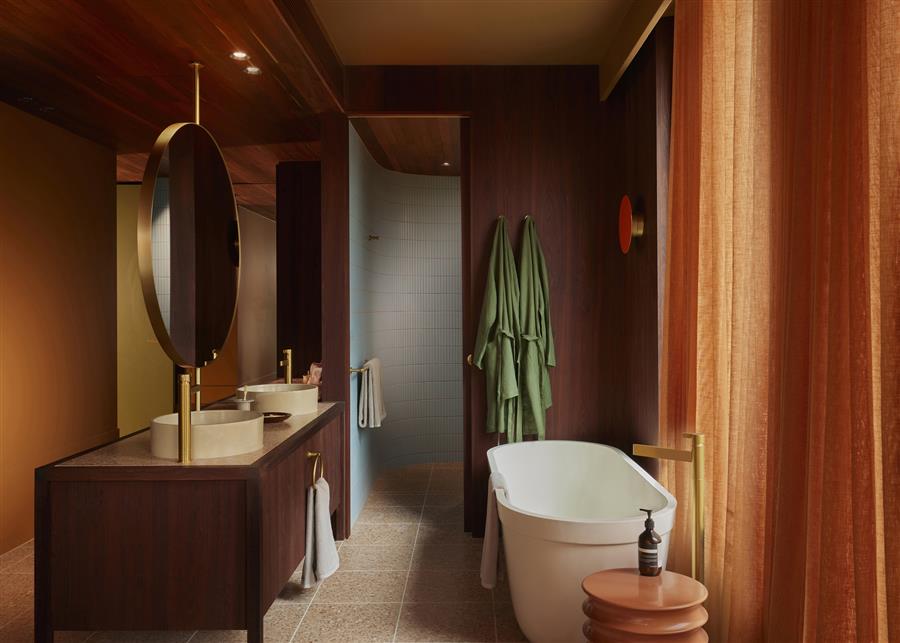 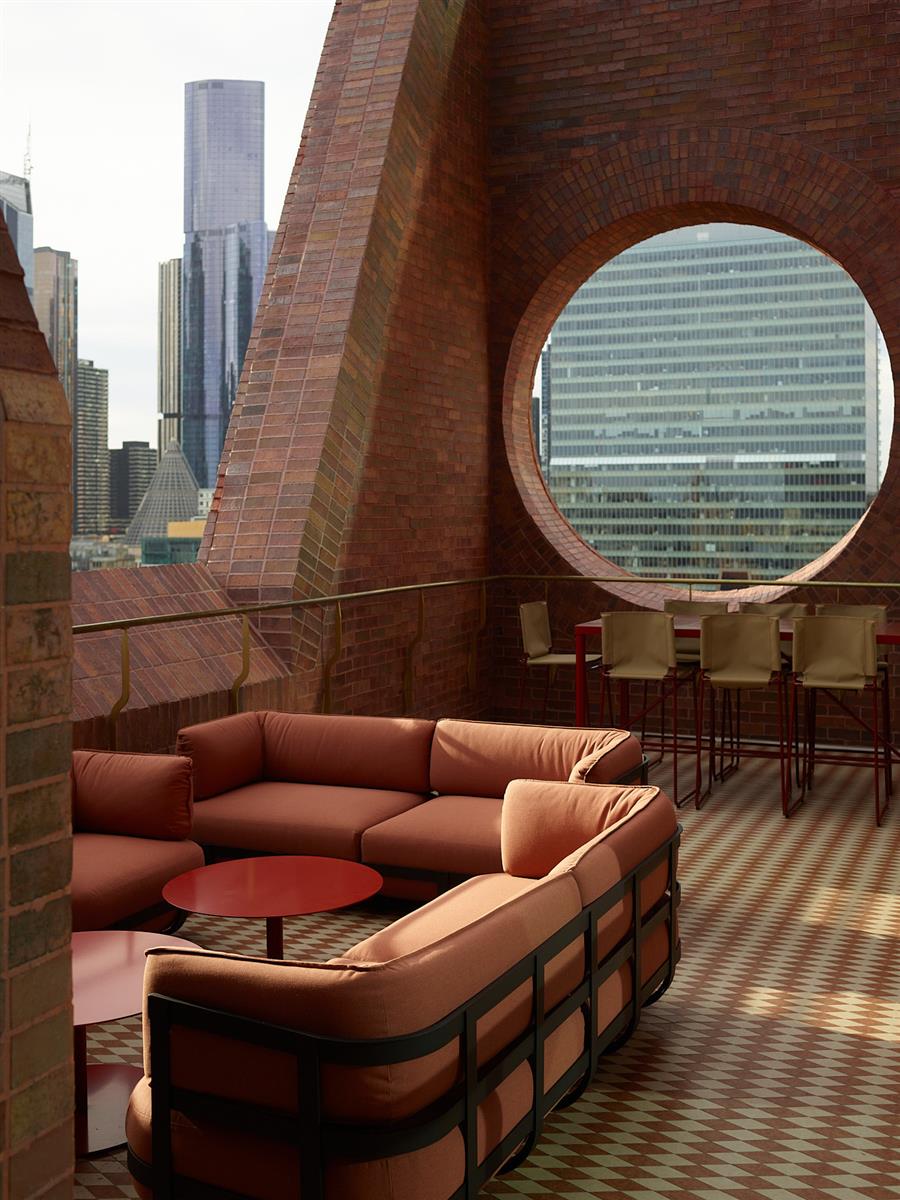 这座16层的建筑包括两个地下室,一个两层高的地面平面与它的三个向外的侧面相连,一个一楼的阳台突出在罗素街,还有一个三层的“顶结”,从街道的墙壁凹陷,形成一个薄的可卷曲的遮阳板。 The sixteen-level building includes two basement levels, a double-height scaled ground plane engaged on it's three outward-facing sides, a first-floor balcony projecting over Russell Street, and a three-level "top-knot" recessed form the street wall and formed in a gauzy corten brise-soleil. 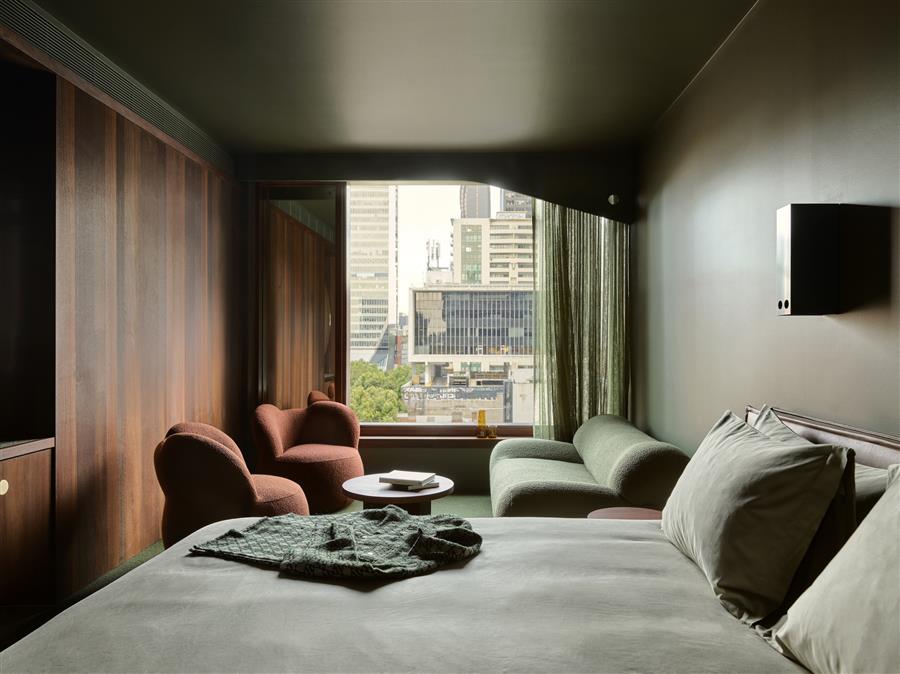 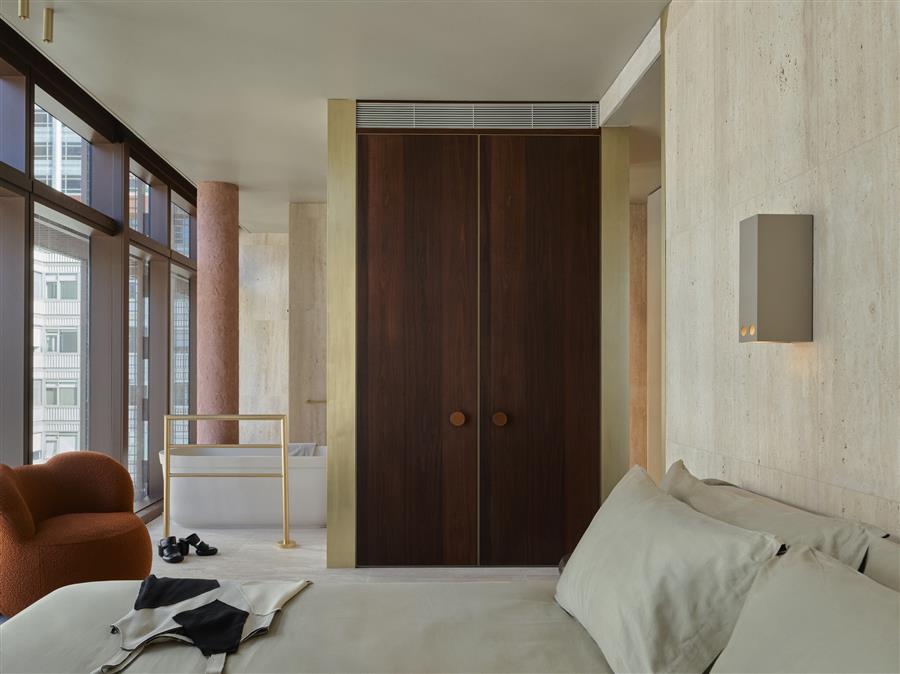 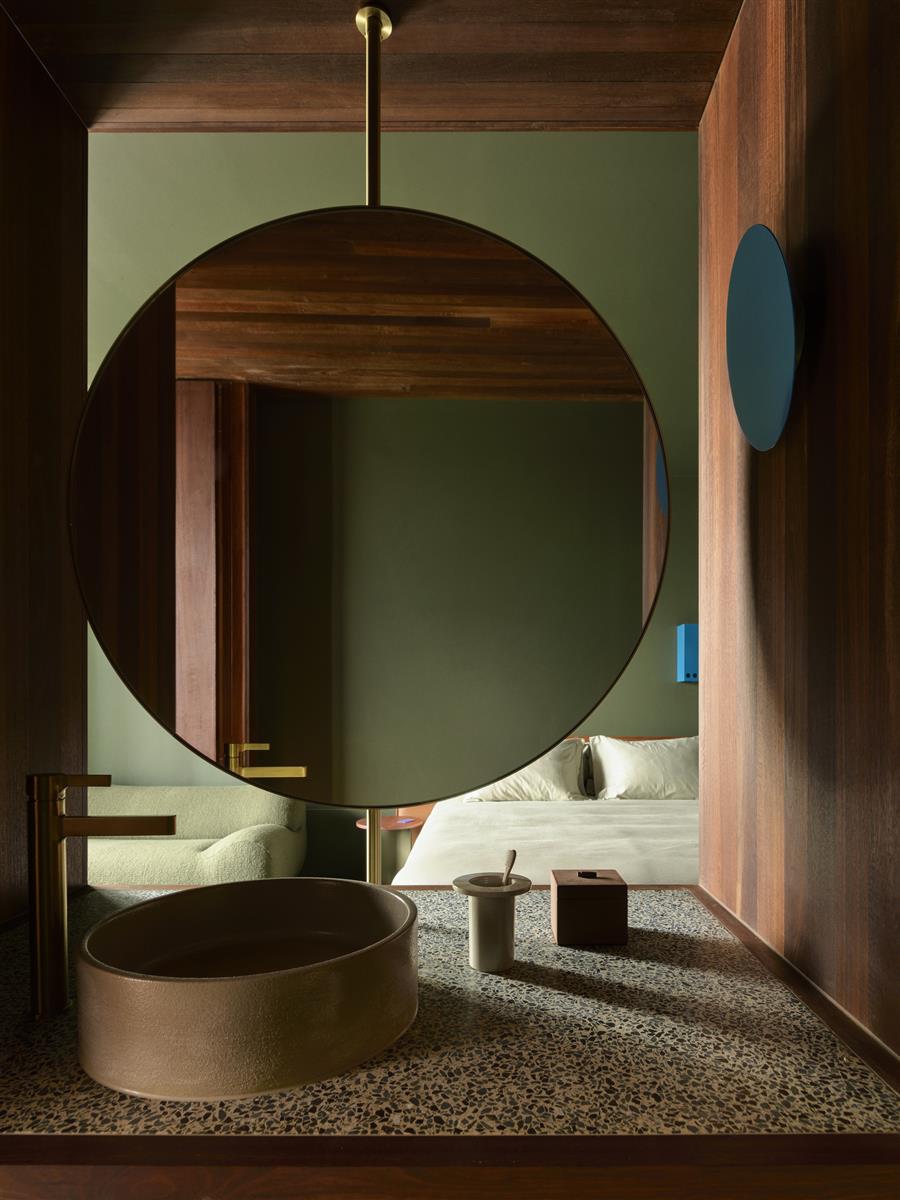 当我们专注于建造一个“礼貌”的建筑,一个体面的邻居时,我们也渴望赋予它个性,这样它就可以成为墨尔本人熟悉的朋友,一个伟大的好客的容器,这将是可识别的,甚至是令人难忘的。一个人物角色嵌入在这个结构中,一个抽象的兽形形式,有一个长长的砖脖子和一对超大尺寸的眼睛向北看。这个角色构成了每一个设计问题的概念基础,随着设计的发展,建筑的原始想法和内在个性浮现出来。 While we focussed on making a 'polite' building, a seemly neighbour, we also aspired to imbuing it with a personality so that it could be a familiar friend to Melburnians, a vessel for great hospitality which would be recognisable, even memorable. A persona is embedded in the very structure, an abstract zoomorphic form with a long brick neck and a set of super-scaled eyes looking out to the north. This persona formed a conceptual basis for every design question, and as the design evolved, the 900 idea and the intrinsic personality of the building emerged. 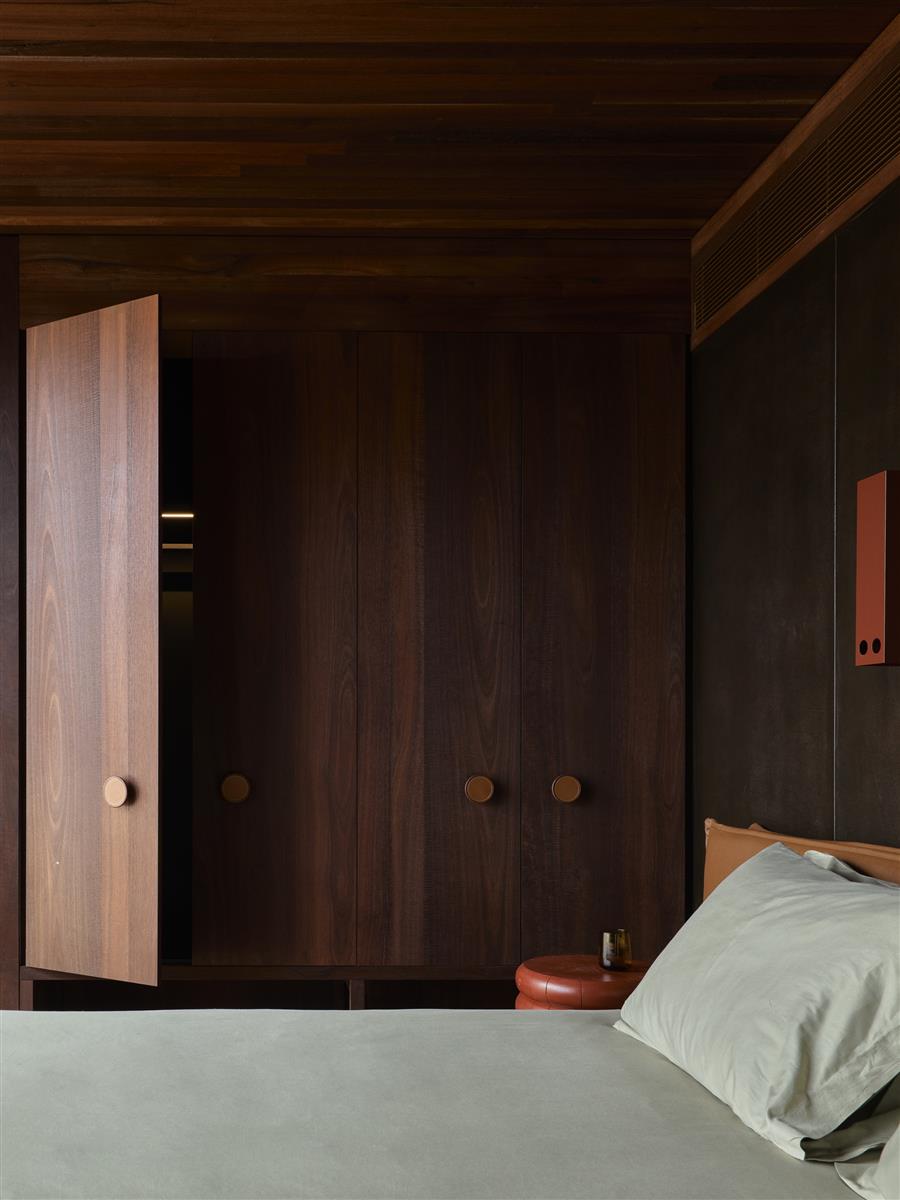 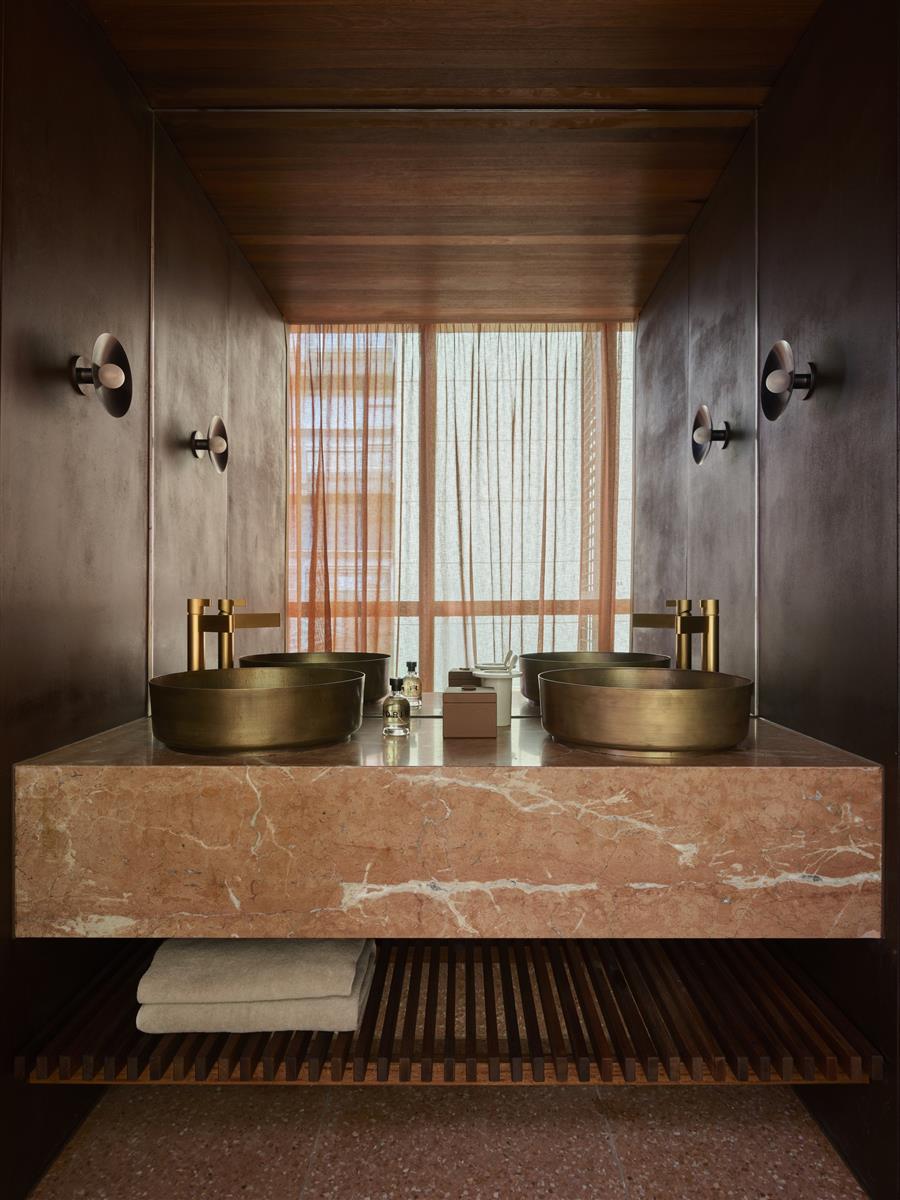 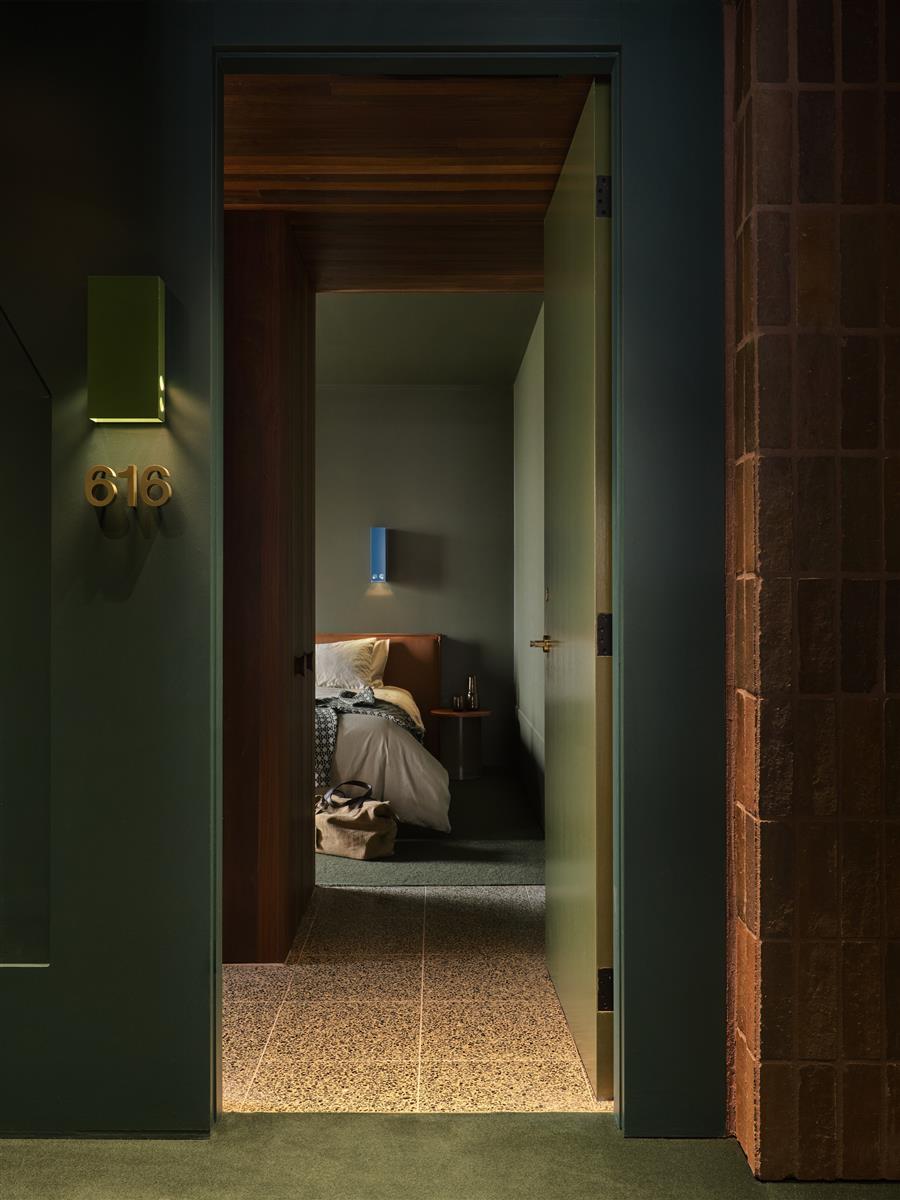 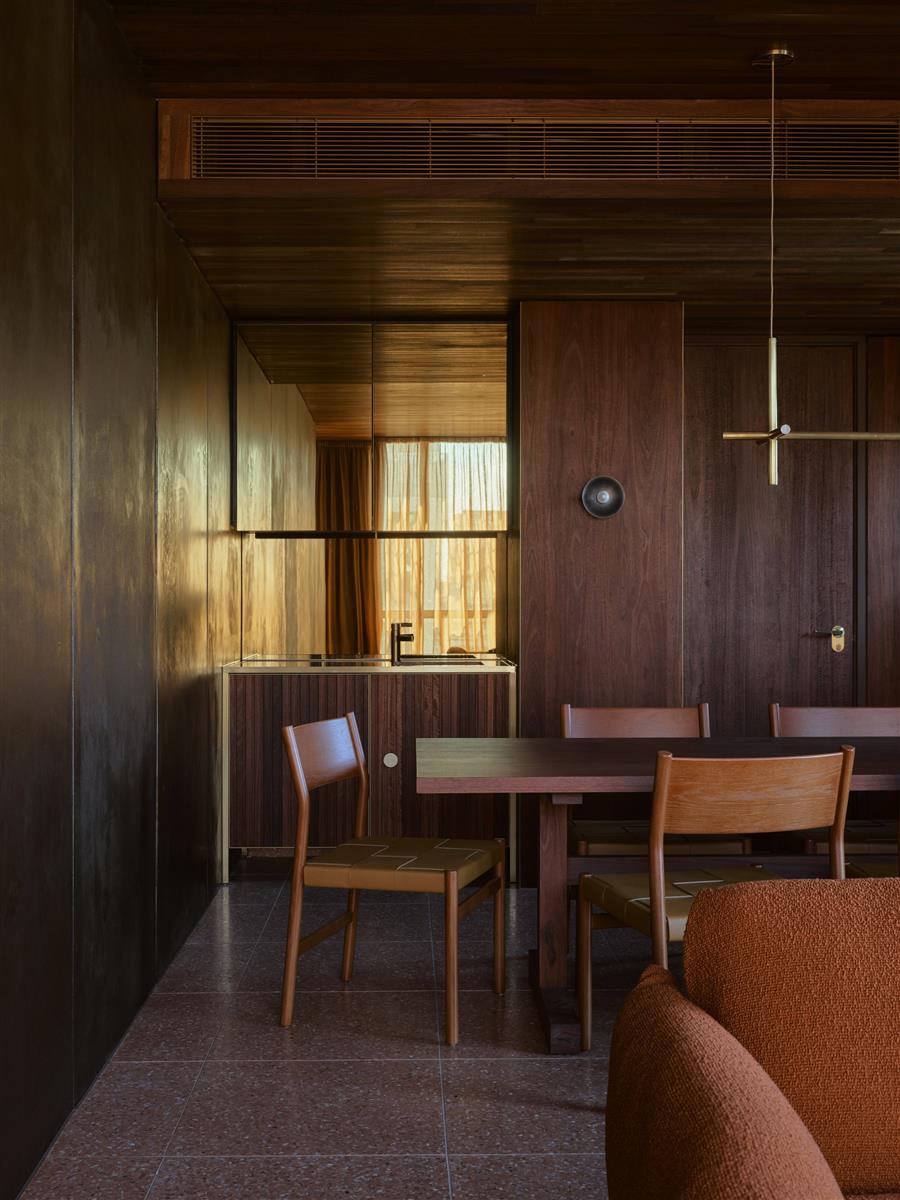 该建筑色调柔和,自然,由为该项目开发的砖(Stawell的Kraus砖)和暖色调的预制混凝土制成,突出了深红色的金属口音和窗框。砖块流入室内,在那里它们与颜色相遇——有时激烈,有时有趣,旨在留在记忆中。室内颜色与大面积的互补天然材料相呼应——西澳大利亚jarrah,专为墨尔本广场开发的当地水磨石,以及黄铜和耐候钢的金属口音。 The building is tonal, muted, and natural, made from bricks developed for the project (with Kraus bricks in Stawell) and warmly tinted pre-cast concrete, highlighted with deep red metal accents and window frames. The bricks flow into the interiors where they meet colour – sometimes intense, sometimes playful, designed to lodge in the memory. Interior colour is set against large areas of complementary natural materials – West Australian jarrah, locally sourced terrazzo in blends developed specifically for Melbourne Place, and metallic accents in brass and corten steel. 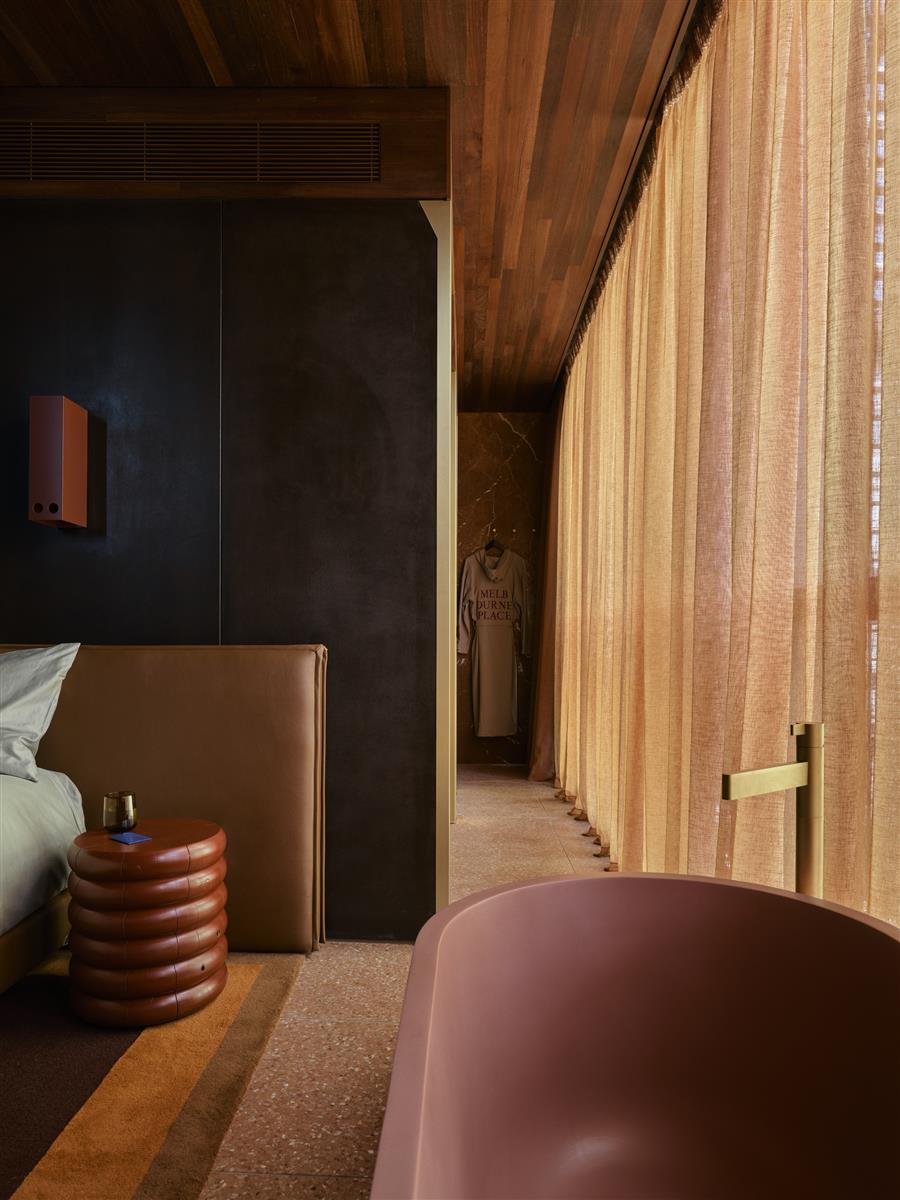 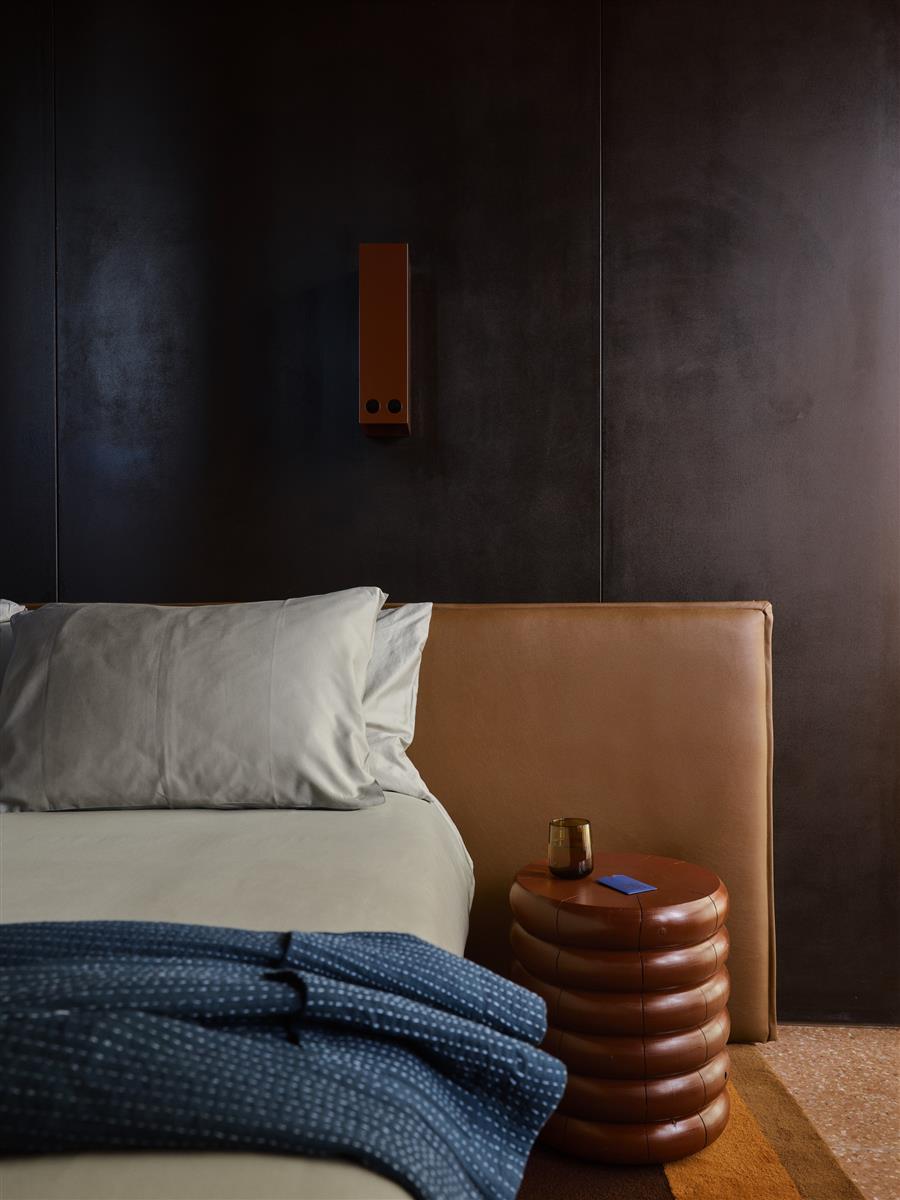 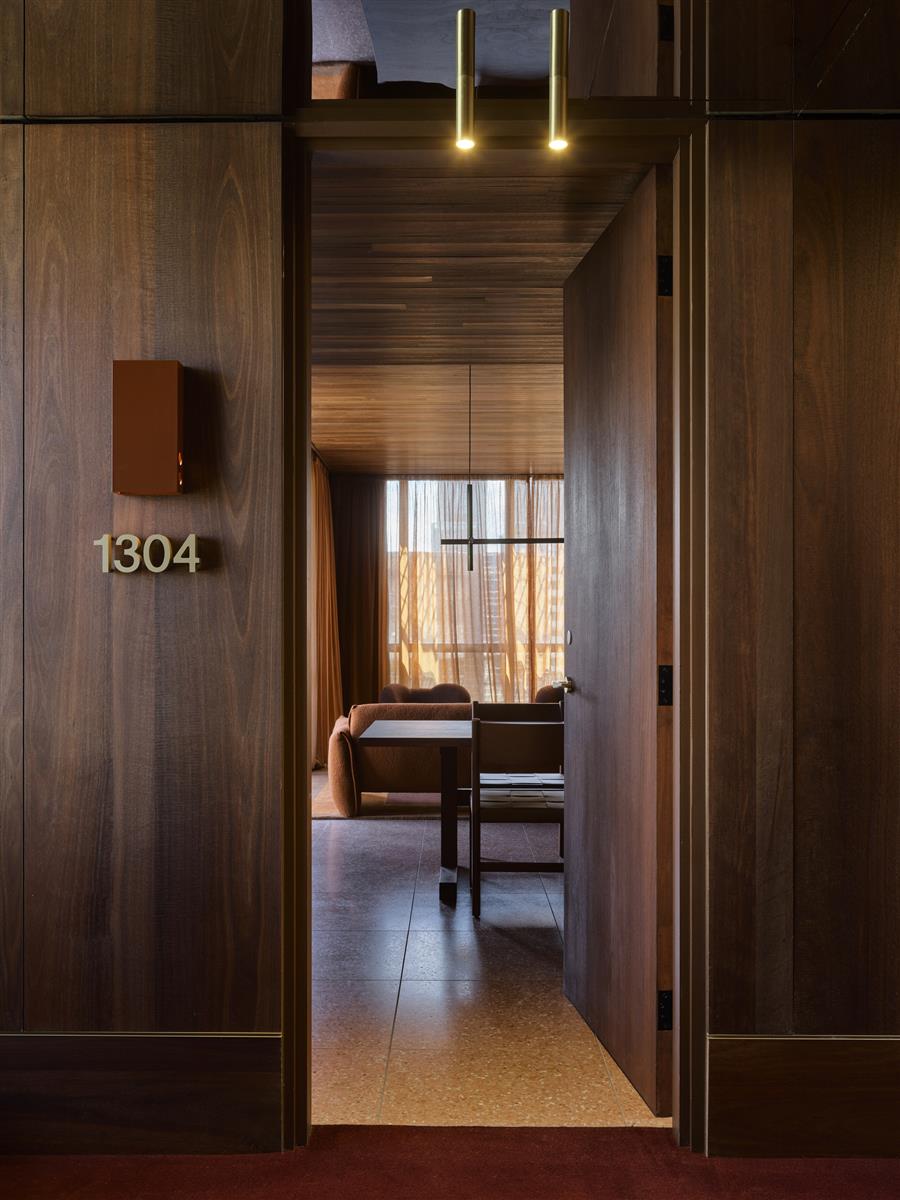 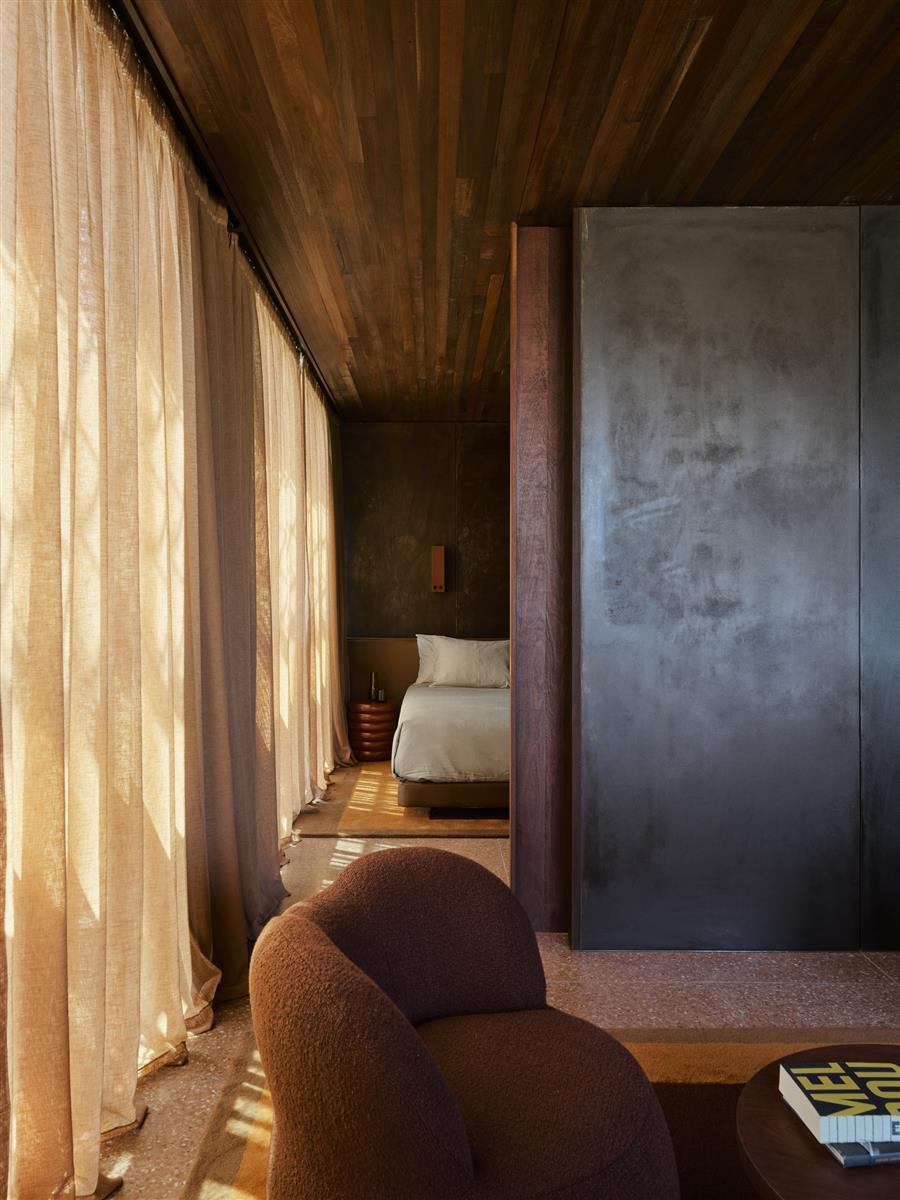 固定装置、配件、灯光、地毯和家具主要来自当地的制造商和设计师,其中许多都是专门为墨尔本广场设计的。当地艺术家受委托,不仅仅是为了装饰,而是为了代表墨尔本的文化——现代、精致、城市、多元文化,并扎根于世界上最古老的持续存在的文化。这种效果在视觉上是新鲜的,但又出奇地熟悉,是对这个地方的真实再现。 Fixtures, fittings, lights, carpets and furniture have largely been sourced from local makers and designers, many made specifically for Melbourne Place. Local artists have been commissioned, not simply to adorn, but to represent Melbourne culture – contemporary, sophisticated, urban, multi-cultural and grounded in the lands of the world's oldest continuous living culture. The effect is visually fresh but uncannily familiar, an authentic representation of place. 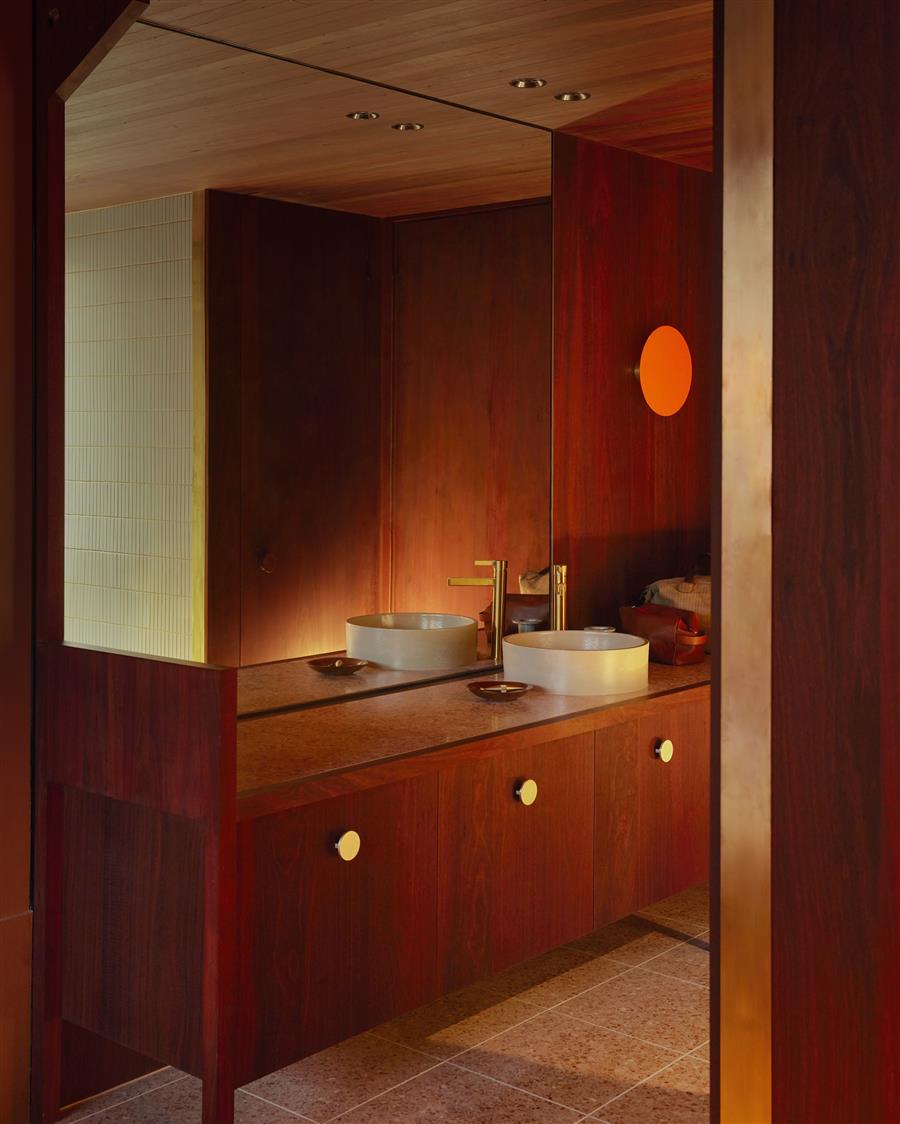 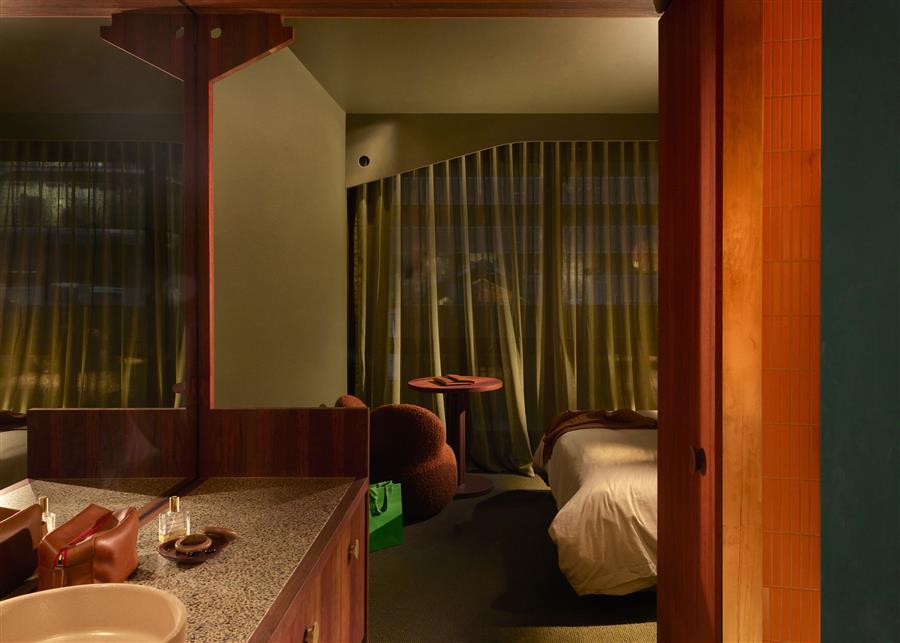 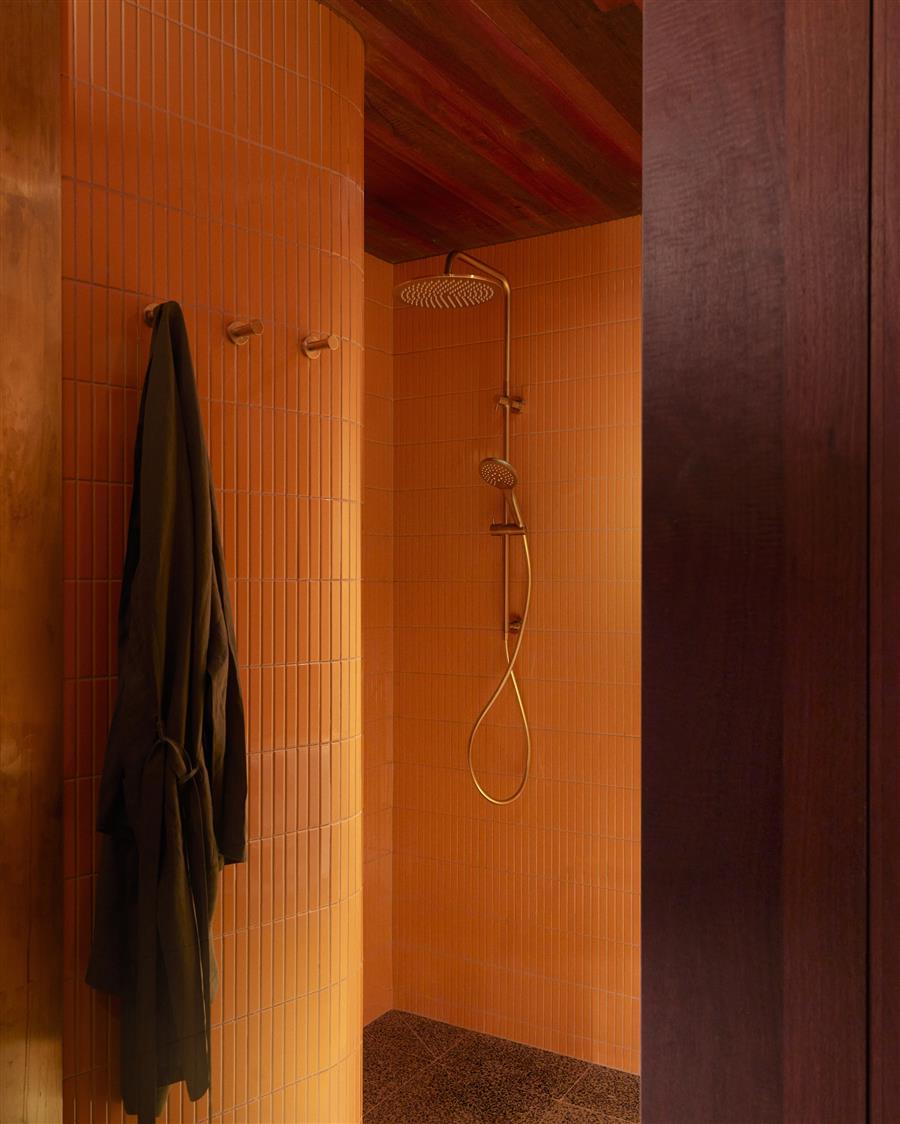 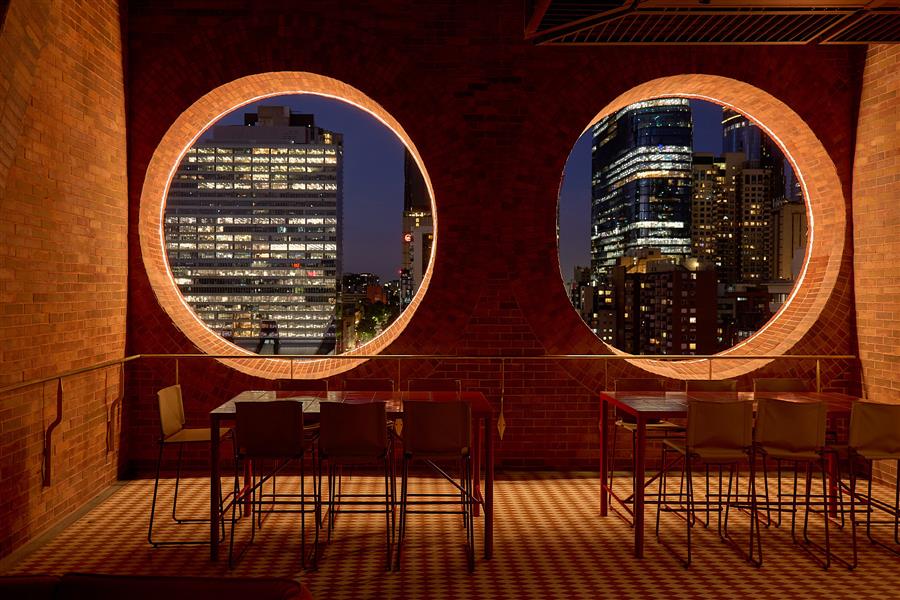 项目图纸 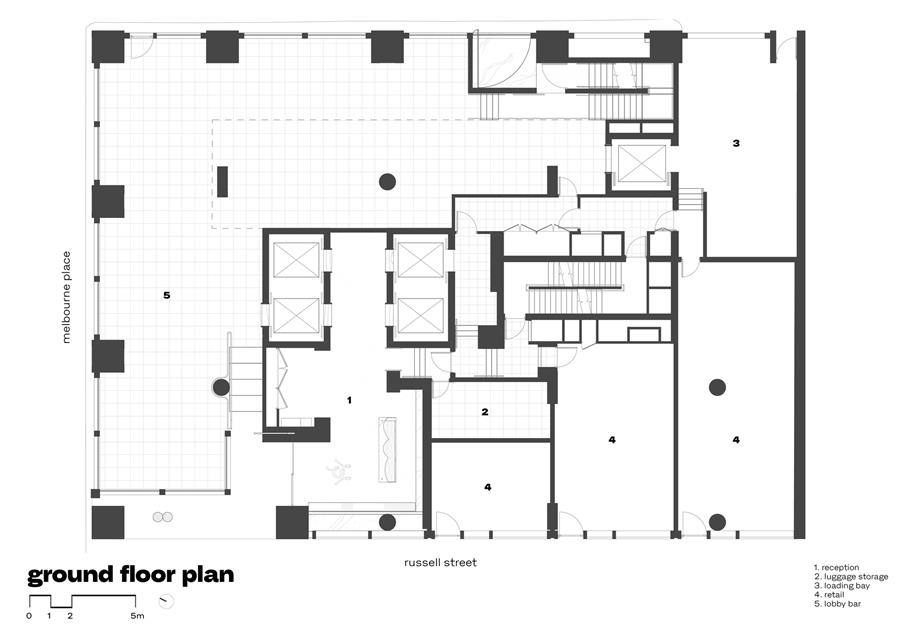 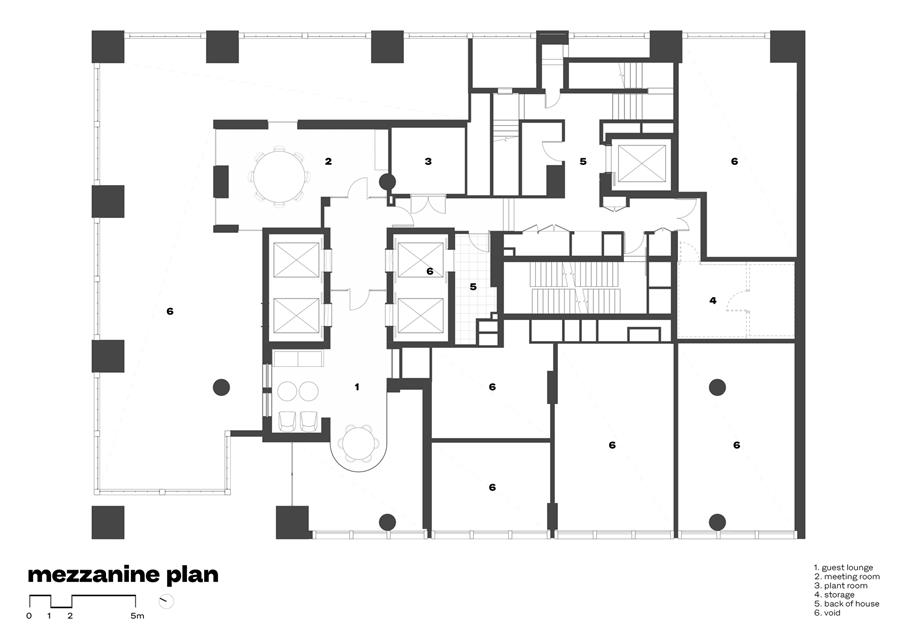 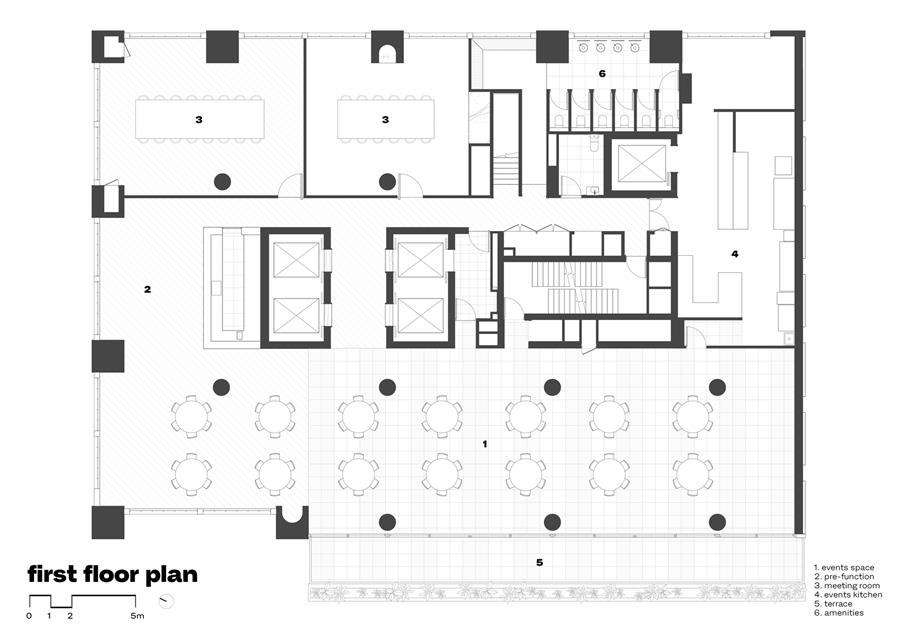 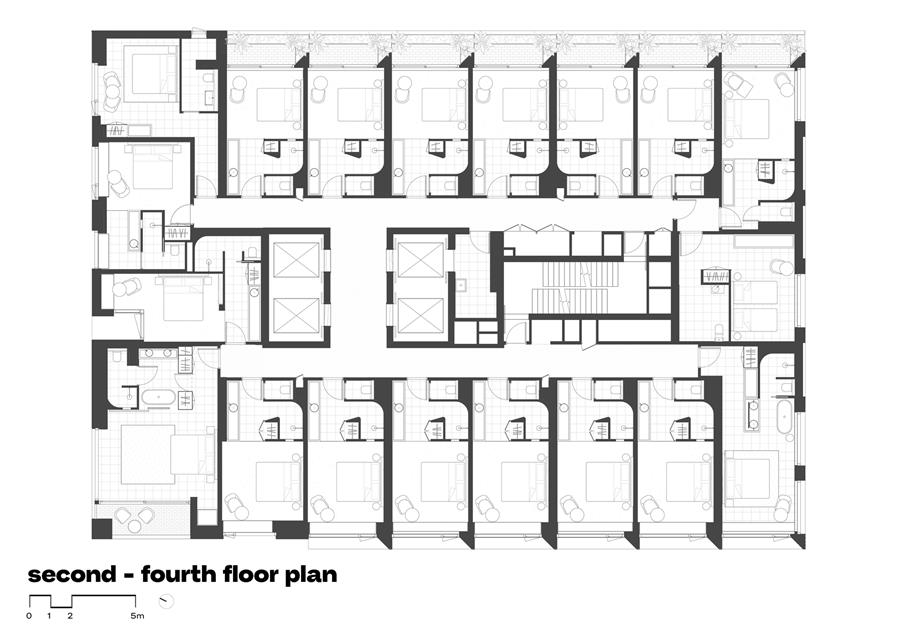 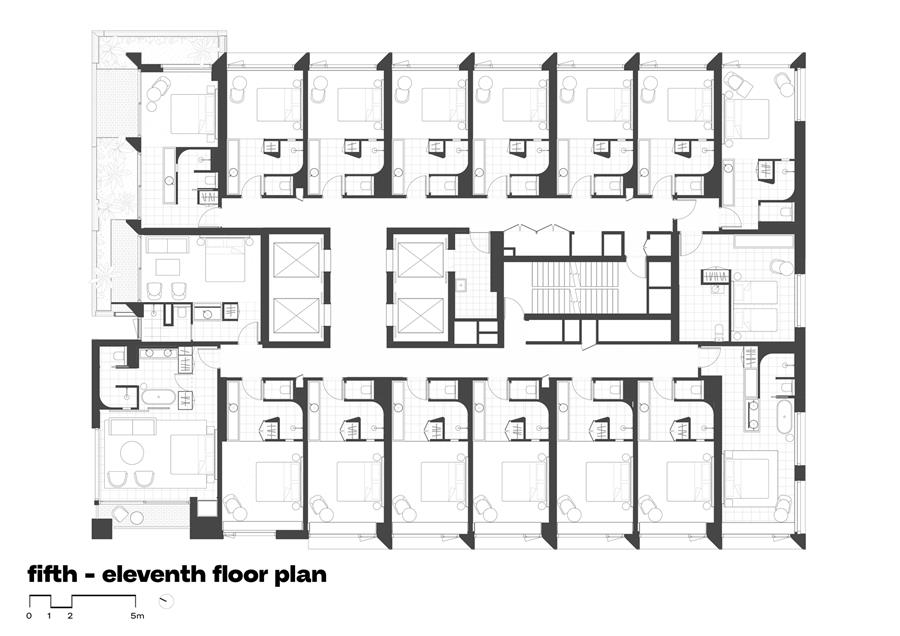 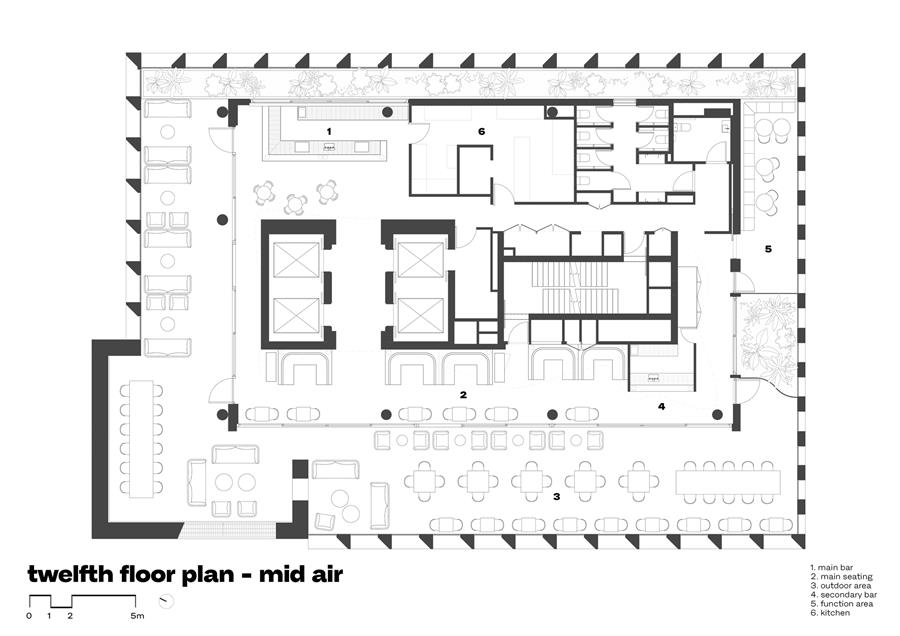 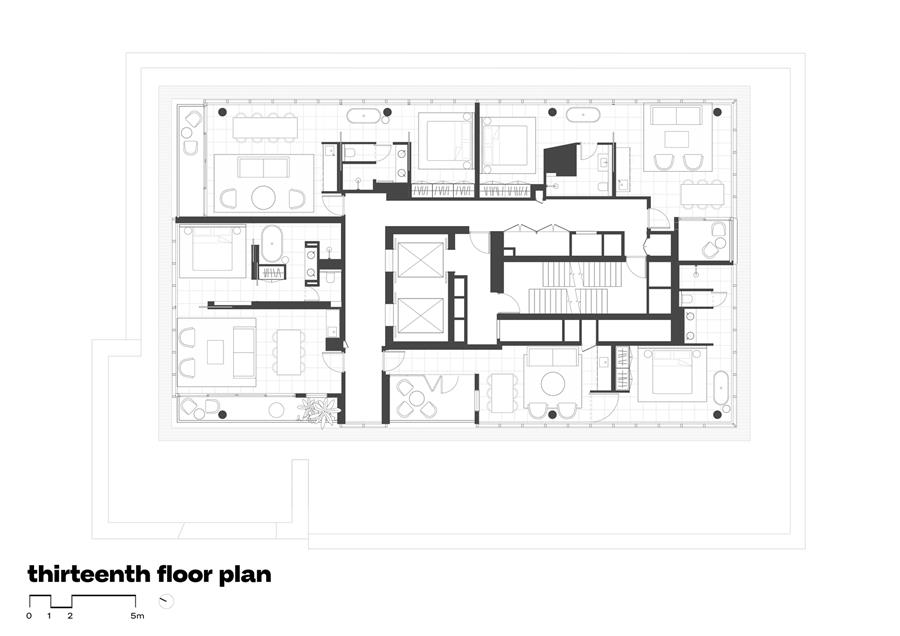 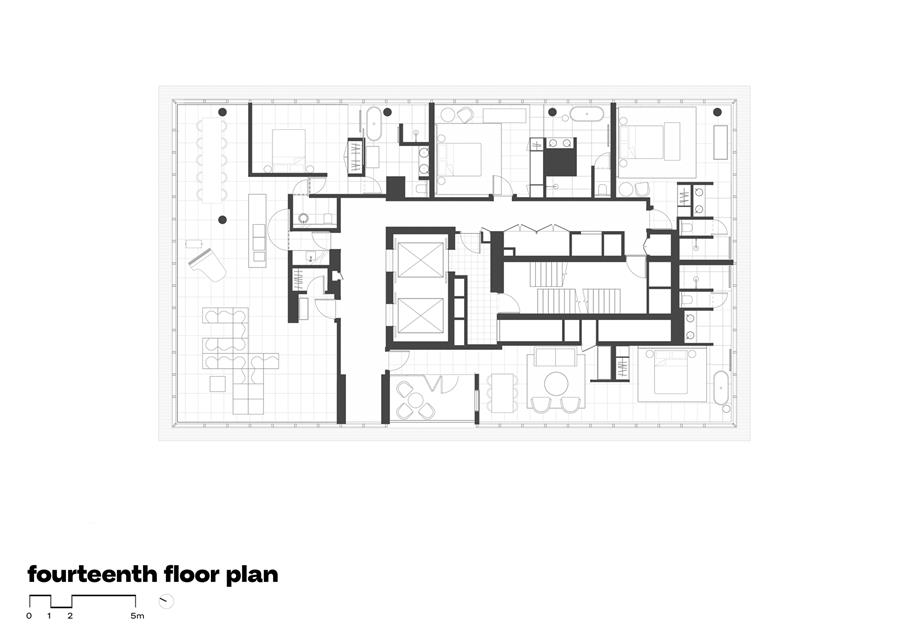 ▲平面图 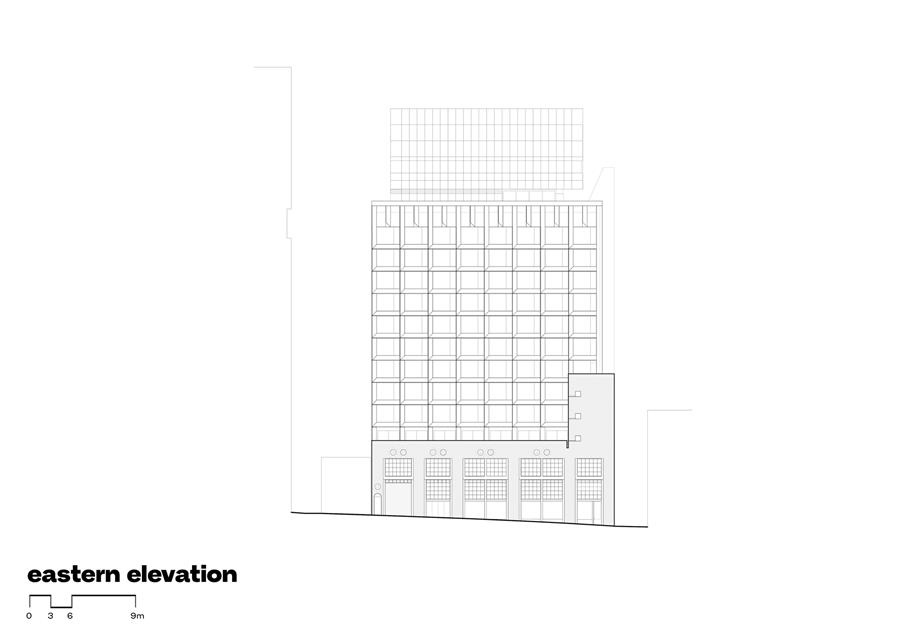 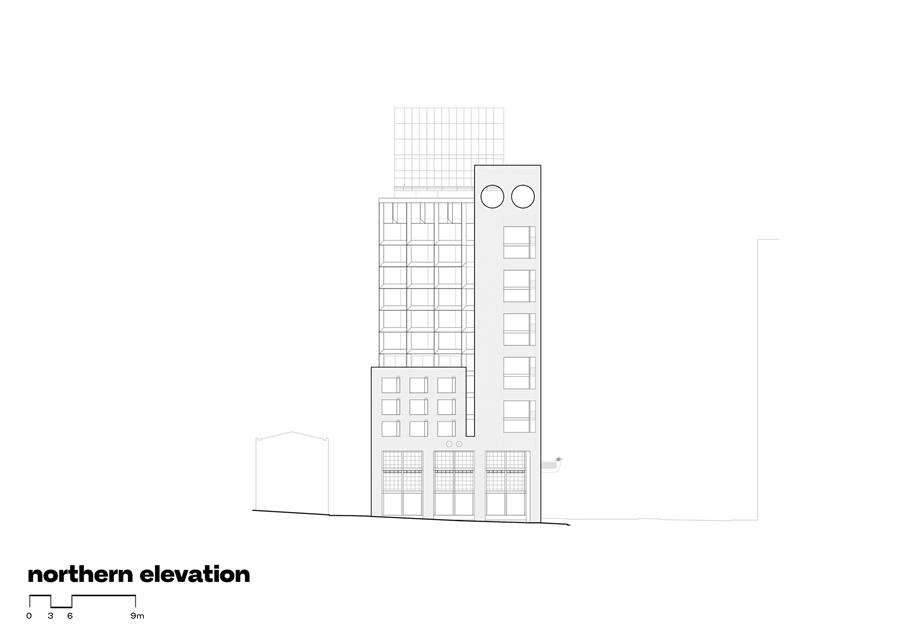 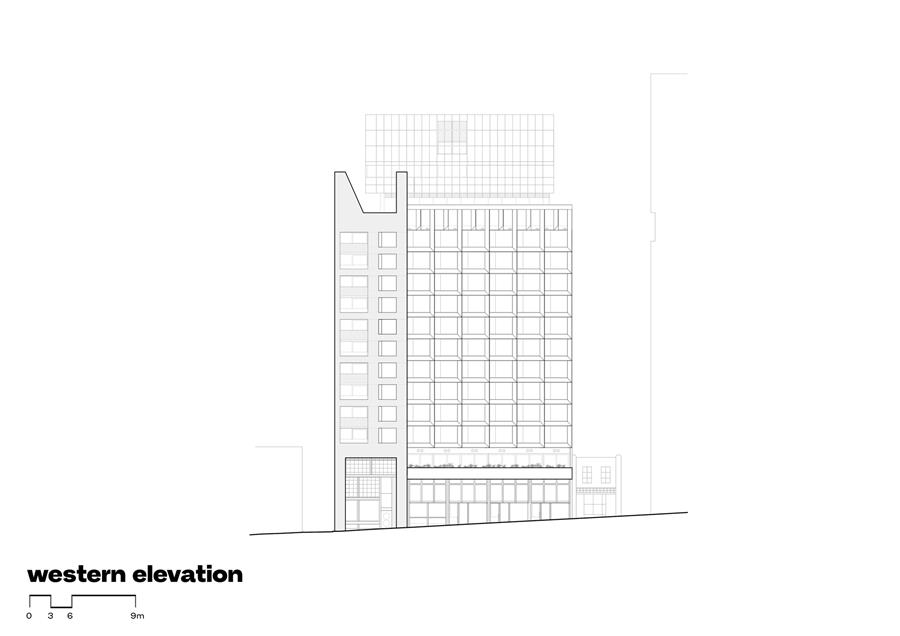 ▲立面图 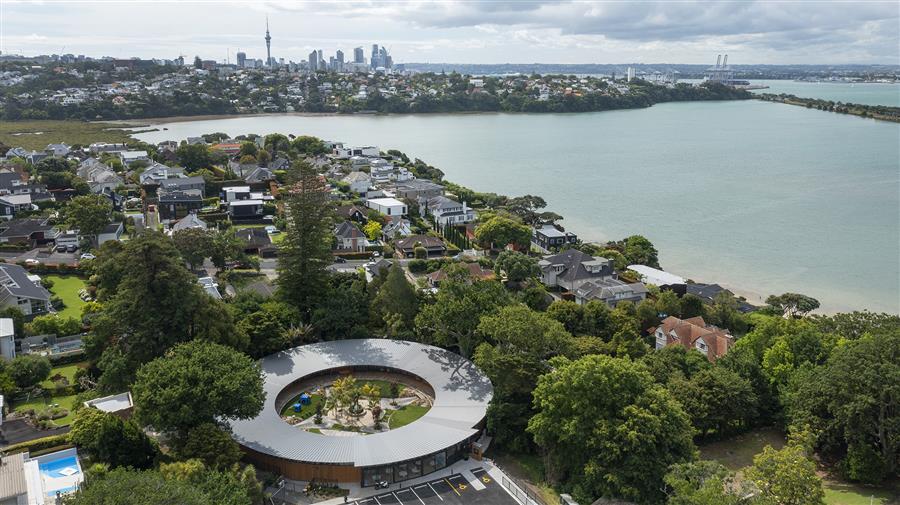
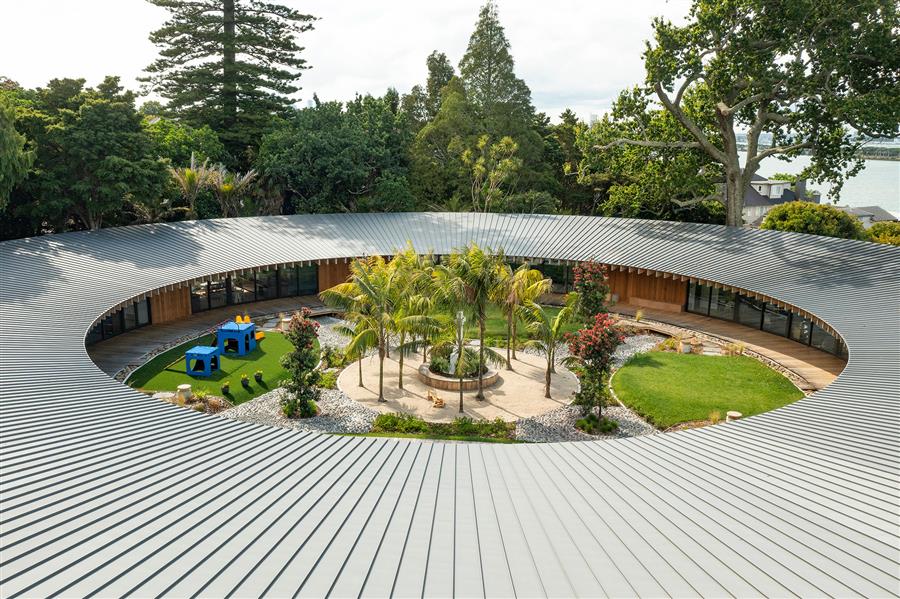 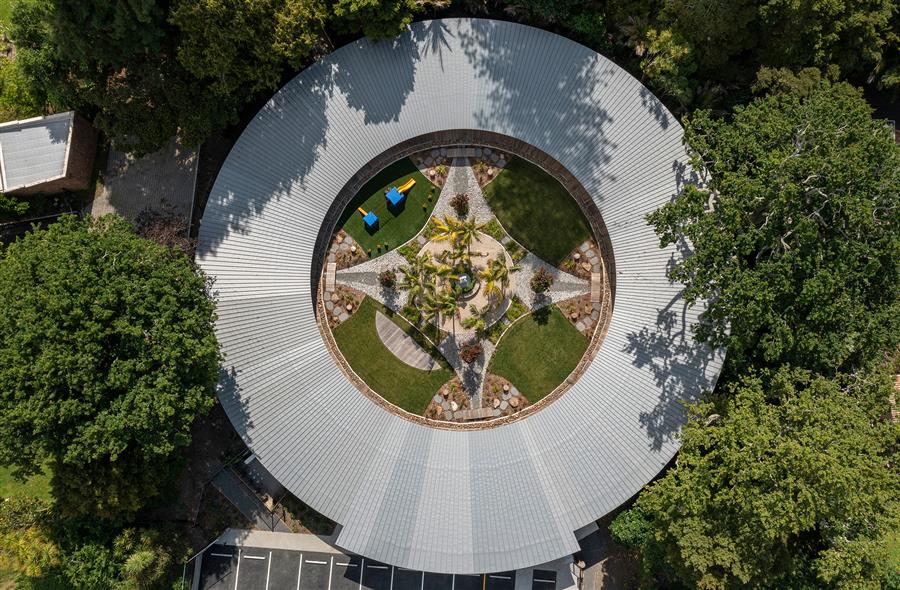 项目简介是打造一个独特的幼儿中心,通过社区意识激发孩子们的自信和谦逊。详细的场地分析着眼于学校内建筑的可能位置。通道和停车场的要求表明了最佳位置,三面广阔的灌木远景进一步加强了这一点。The project brief was to craft a unique early childhood centre that would inspire children to develop confidence and humility through a sense of community. A detailed site analysis looked at possible locations for the building within the school. Access and car parking requirements indicated the optimal location, further reinforced by the extensive bush-lined outlook on three sides. 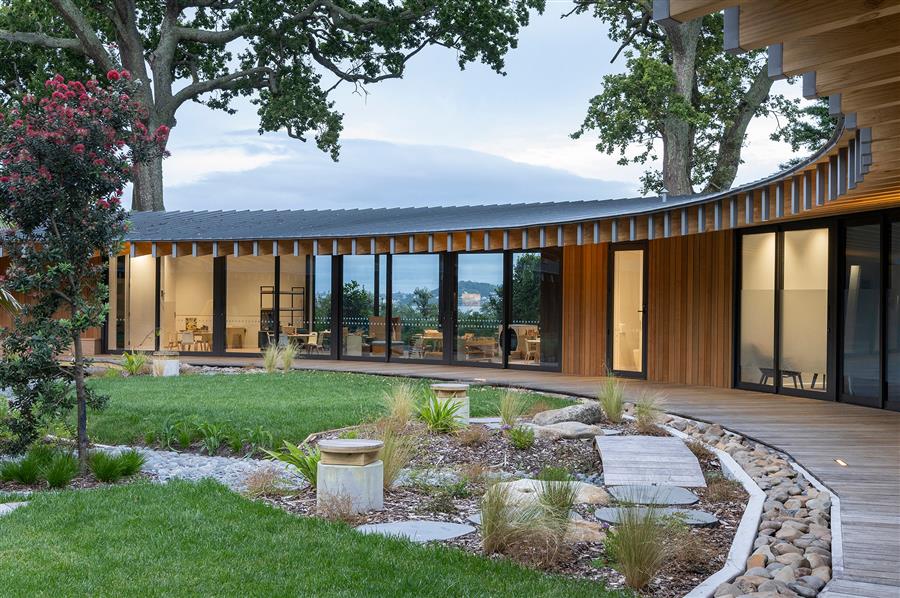 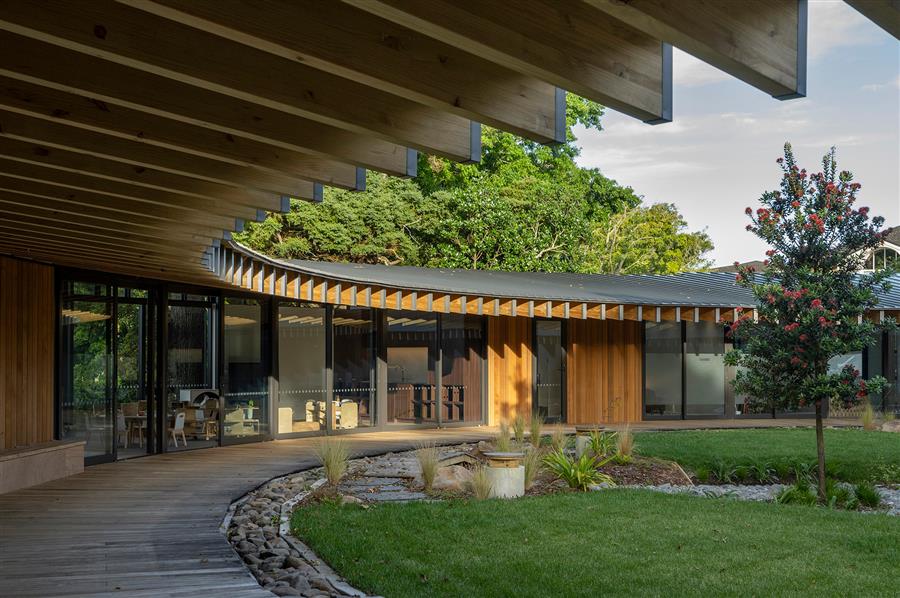 研究着眼于建筑形式的选择,考虑到所有的场地限制。该形式的主要驱动因素是保留成熟的树木和灌木,保护邻居免受操场直接噪音的影响,平衡地面轮廓,以及太阳进入/遮阳。进一步发展的两种方案被缩小,最终选择圆形形式,因为它在回答概要和场地限制方面的优点。虽然最初的形式主要是由场地和项目驱动的,但从圣肯提根的历史和文化中寻找灵感,将形式发展成一种建筑语言。Studies looked at built form options, taking into account all the site constraints. The main drivers of the form were retaining the mature trees and bush, protecting neighbours from direct playground noise, balancing ground contours, and solar access/shading. Two options were narrowed down for further development, with the final circular form being chosen for its merits in answering the brief and the site constraints. Whilst the initial form was largely driven by the site and programme, the development of the form into an architectural language looked at the history and culture of Saint Kentigern for inspiration. 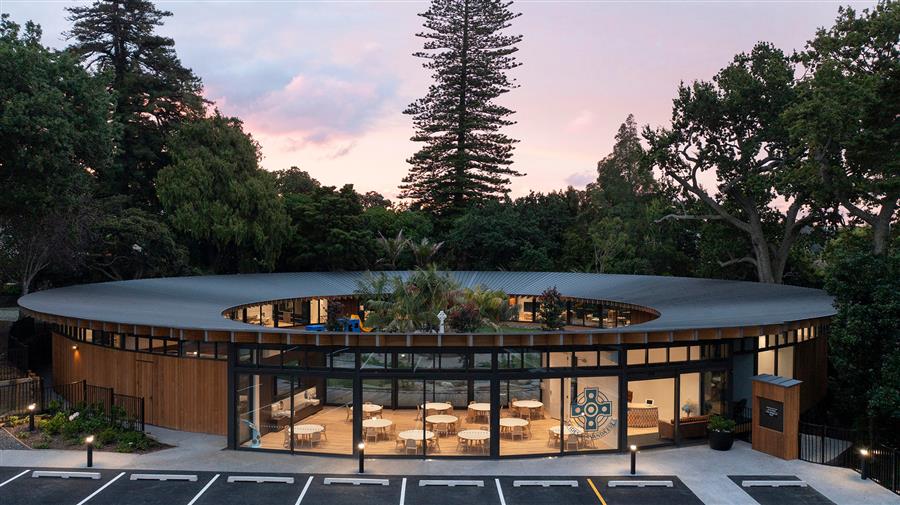 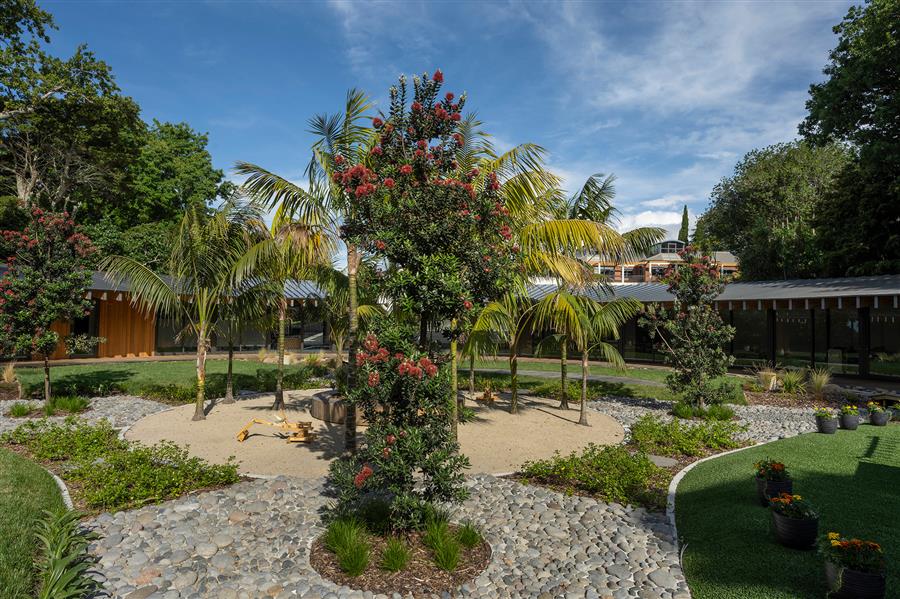 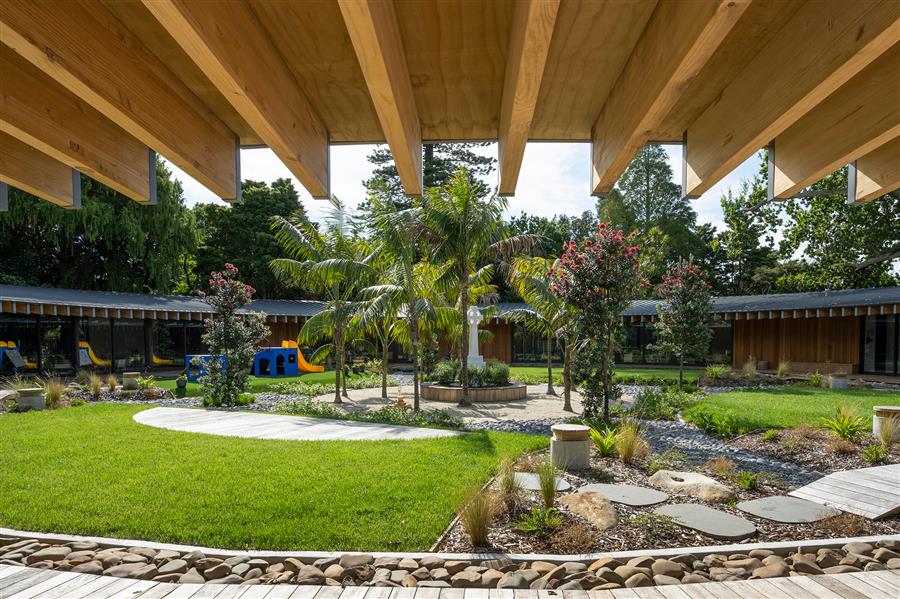 建筑的圆形形状受到早期基督教建筑的启发,其中最著名的是圣墓教堂,其圆形大厅被称为阿纳斯塔西斯。此外,它还象征着圣肯提根的四大奇迹之一:在鱼身上发现的戒指和圣肯提根的凯尔特十字架。The circular shape of the building was inspired by early Christian architecture – the most famous being the Church of the Holy Sepulchre featuring a rotunda called the Anastasis. Furthermore, it symbolises one of the four miracles of Saint Kentigern: the ring found in the fish and the Celtic Cross of Saint Kentigern. 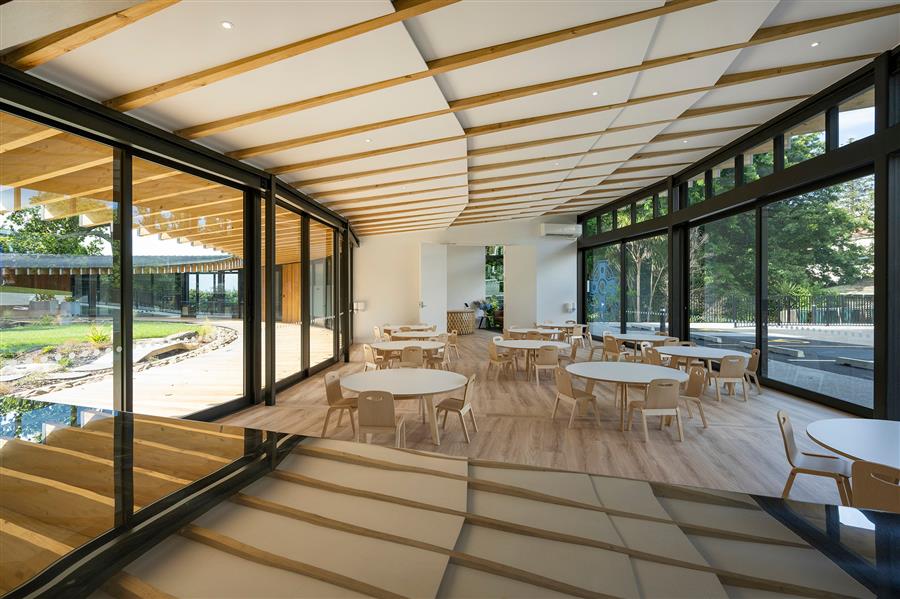 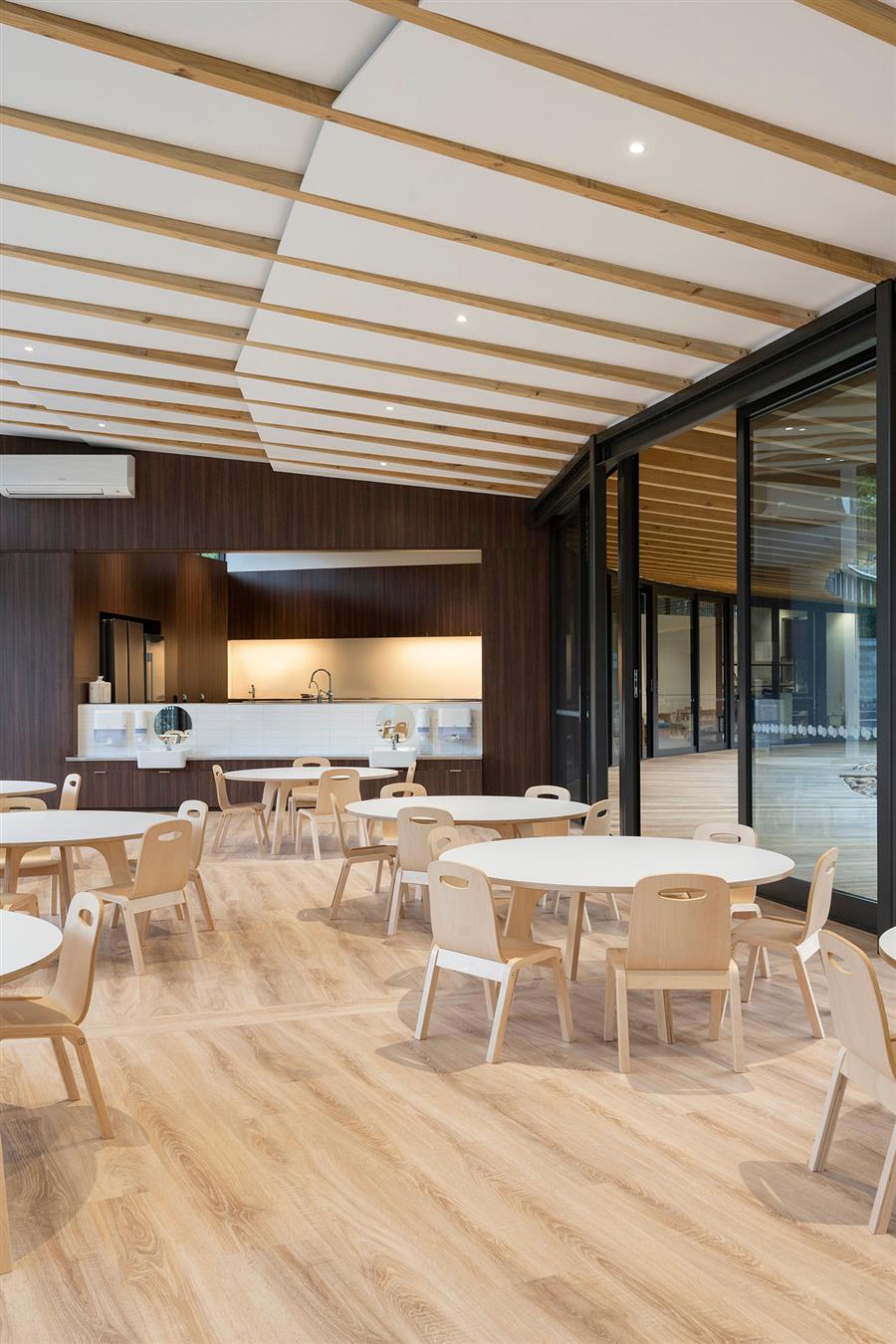 设计的规模和材料也从早期基督教建筑中获得灵感——单层,窄宽,利用自然通风和采光。该结构的特点是暴露的木梁和天花板以及天窗,以捕捉早期教堂的“精神”。The scale and materiality of the design also take inspiration from early Christian architecture – being single-level, narrow width, and harnessing natural ventilation and daylighting. The structure features exposed timber beams and ceilings along with clerestory windows to capture the 'spirit' of the early churches. 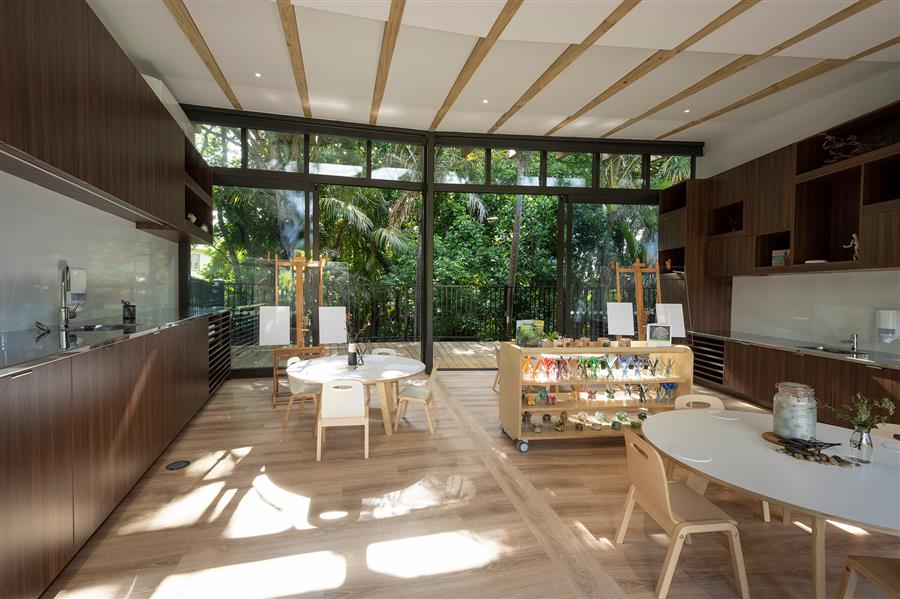 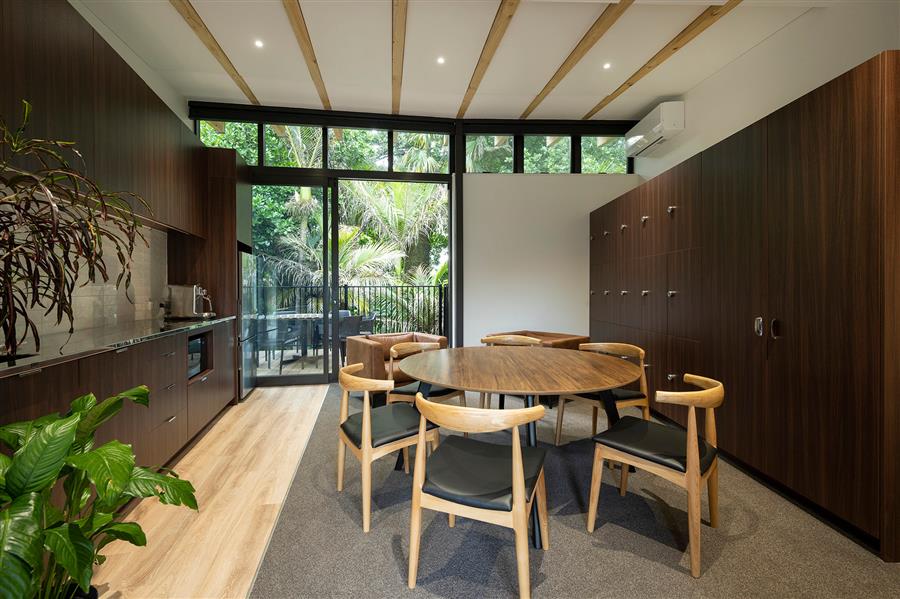 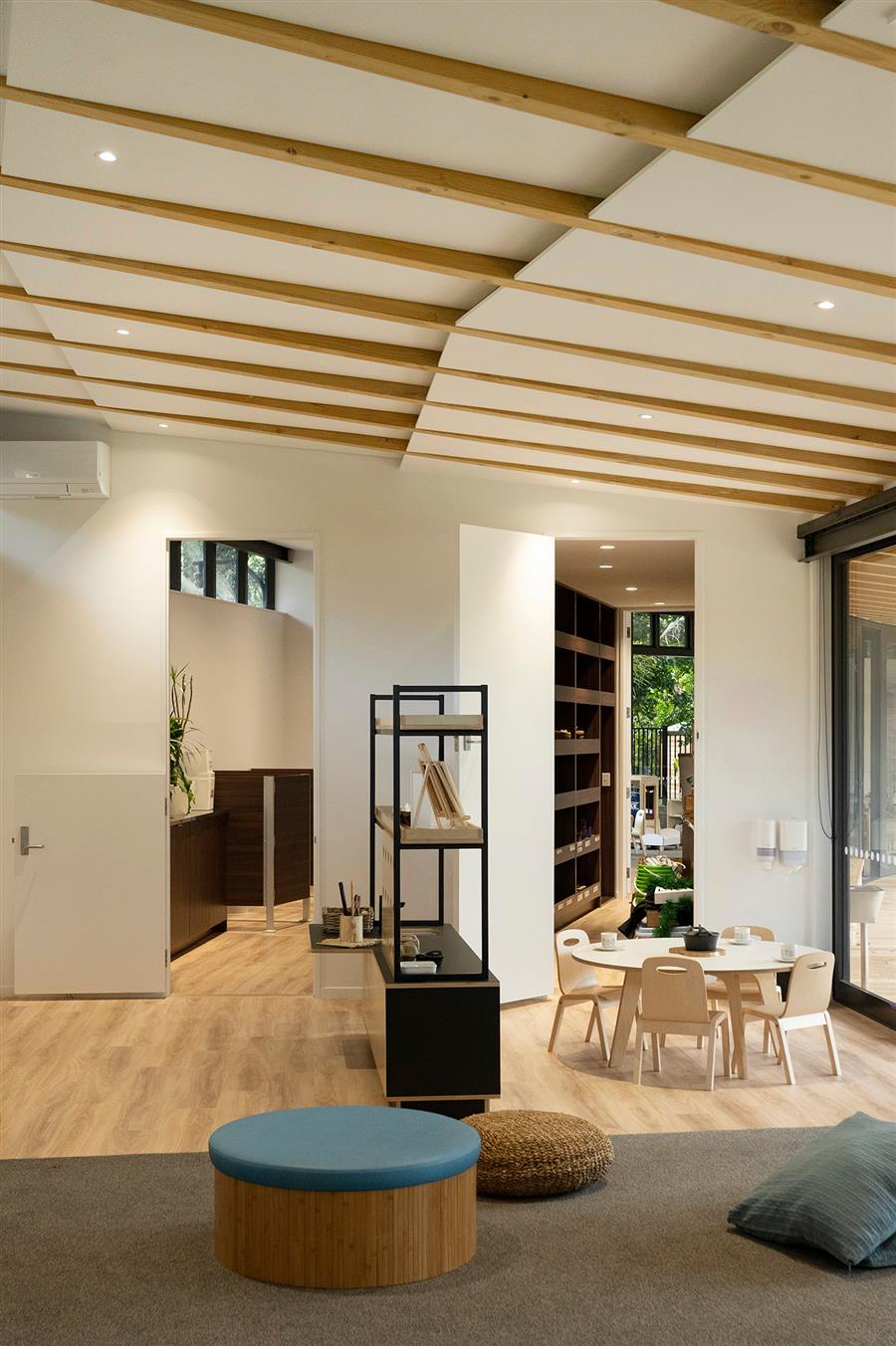 基督教的象征符号随后被带入操场,在那里它被分成圆形的四分之一,每四分之一代表圣肯提根的四个奇迹之一。同样,这进一步强化了由建筑形状形成的凯尔特十字的形状。在此基础上,四个干涸的河床在中央操场形成一个十字形(也成为儿童玩耍的水景),象征着伊甸园的四条支流在中心聚集在一起,呈现一个站立的十字架。Christian symbolism has then been carried through into the playground, where it has been split into quarters within the circular form, each quarter representing one of the four miracles of Saint Kentigern. Equally, this further reinforces the shape of the Celtic Cross formed by the shape of the building. Building on this, four dry stream beds form a cross shape in the central playground (which also become water features for children's play), symbolising the four tributaries of the Garden of Eden that come together at the centre to present a standing cross. 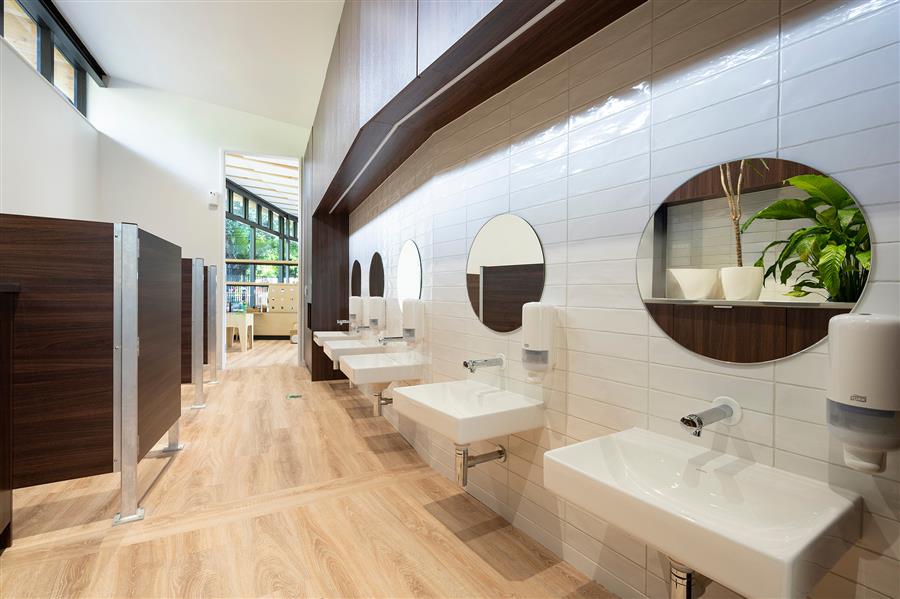 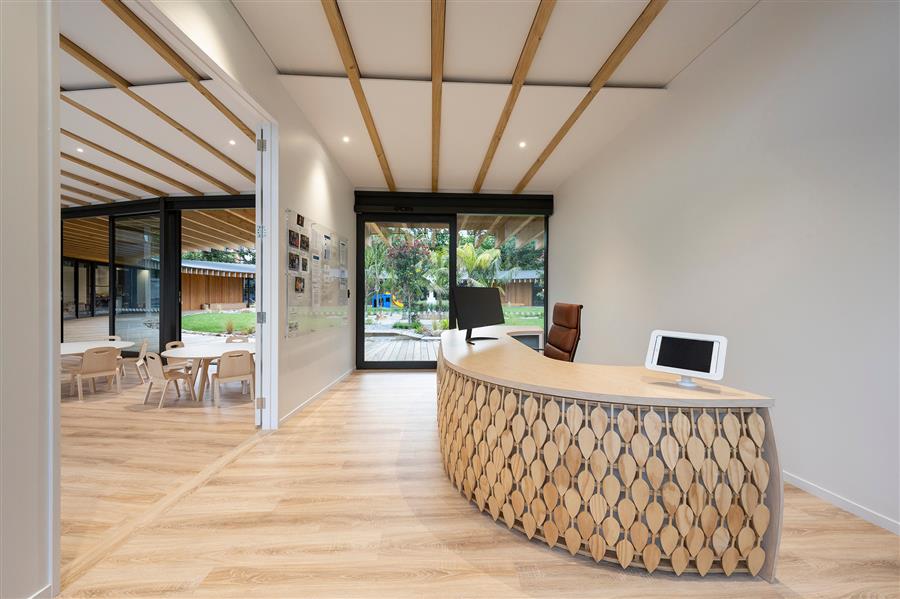 项目图纸 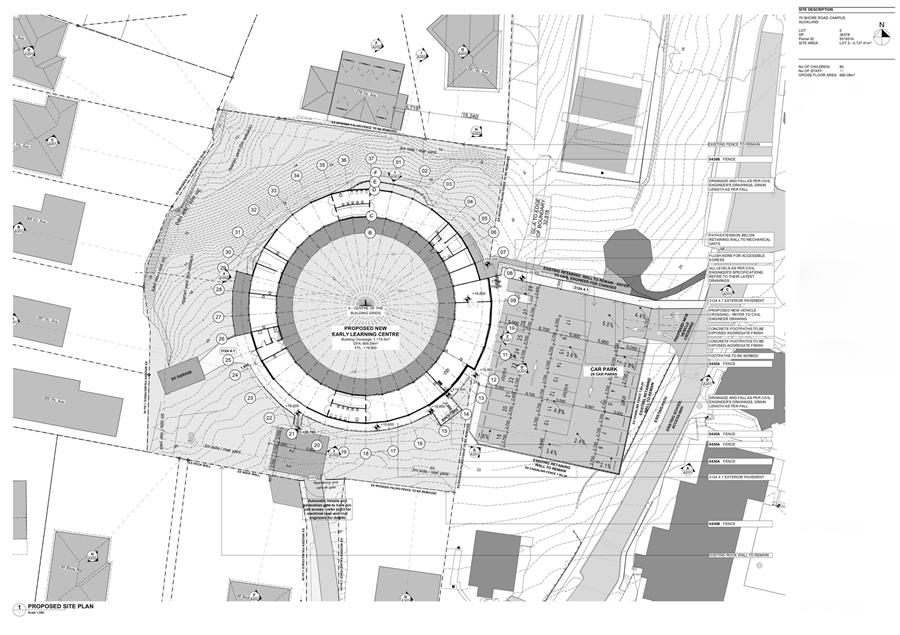 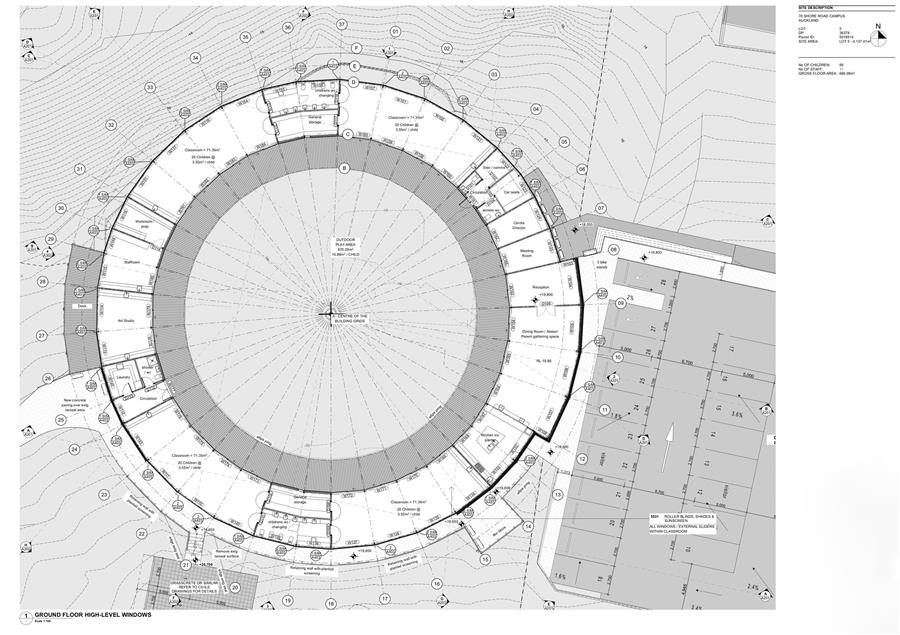 ▲平面图 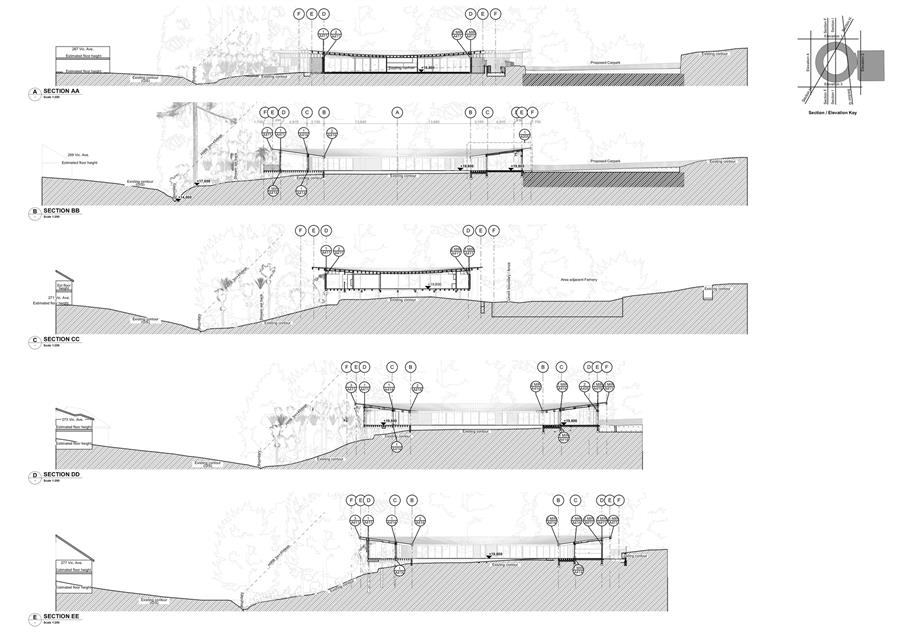 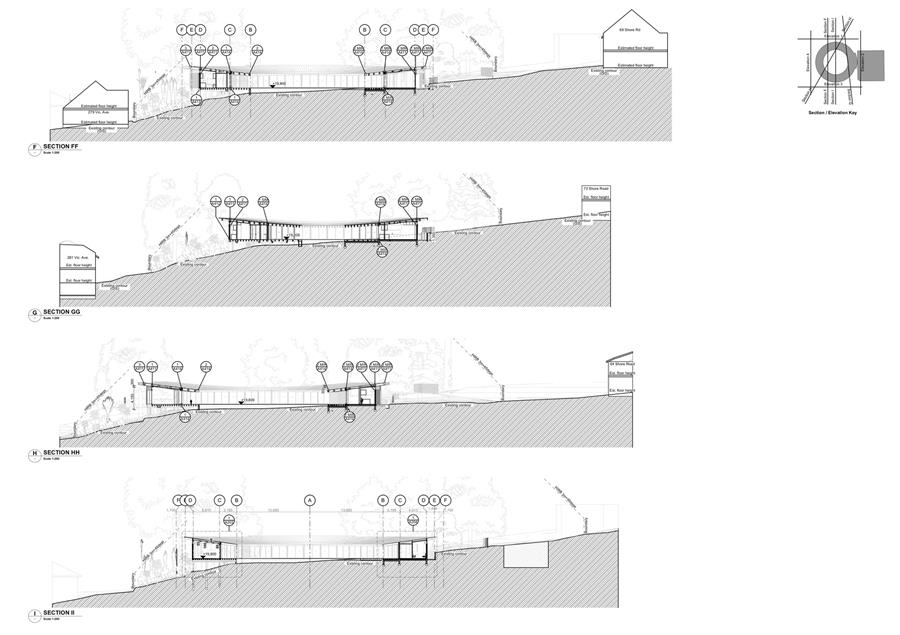 ▲剖面图 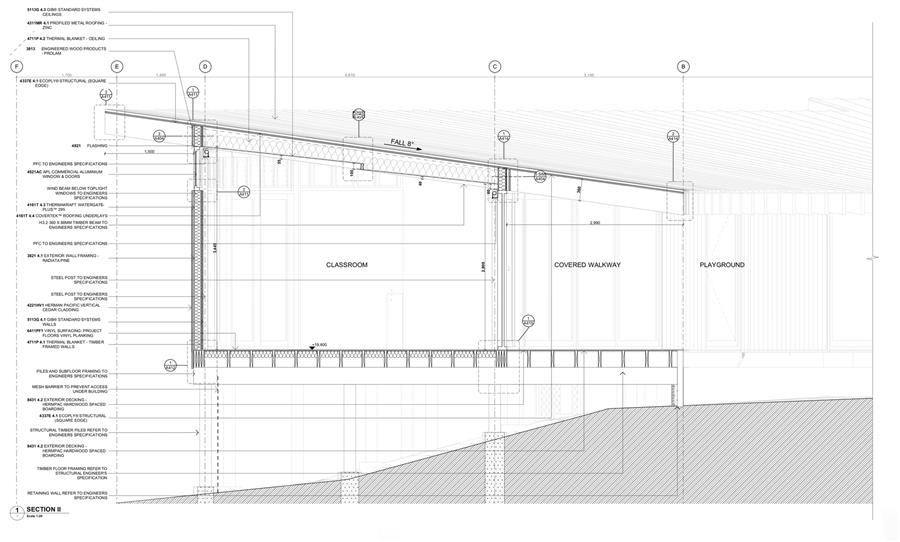 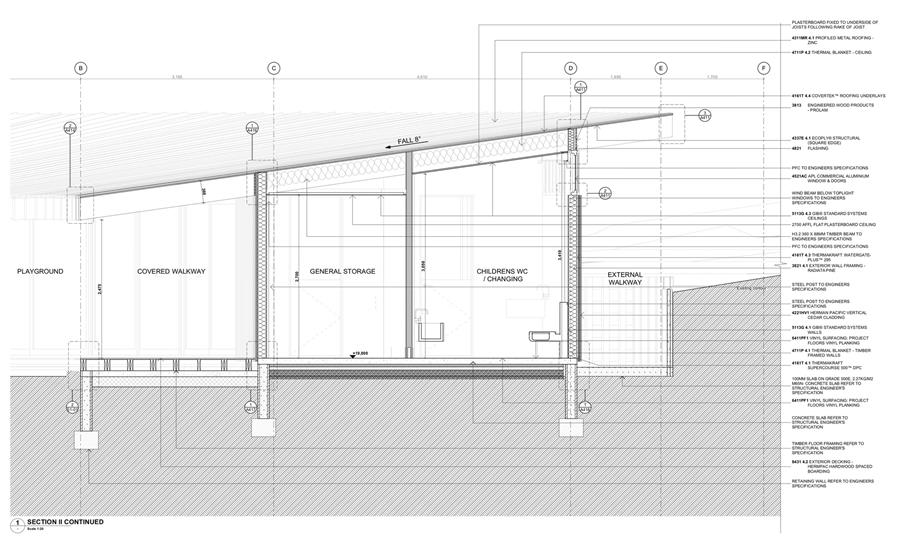 ▲示意图 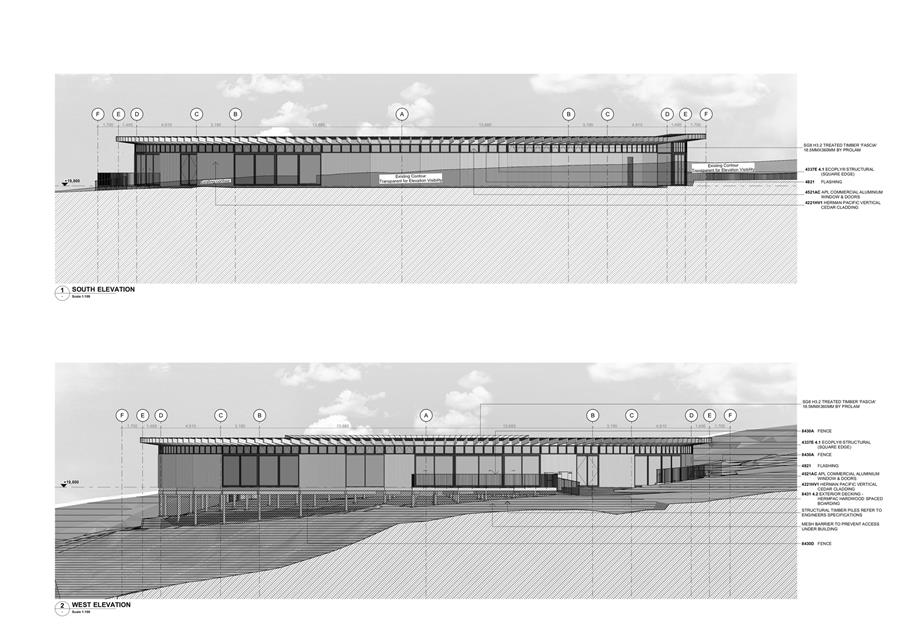 ▲立面图 |
|